Understanding the Fundamentals of GRP Manufacturing
Glass Reinforced Plastic (GRP) is an innovative composite material that has transformed the landscape of various industries, including construction, marine, and transportation. Engineered Composites, a leading GRP manufacturer in the UK, specializes in providing high-quality GRP products that cater to the diverse needs of today's market. Understanding the core principles of GRP manufacturing is essential for businesses looking to adopt these advanced materials for their projects.
What is GRP and How is it Made?
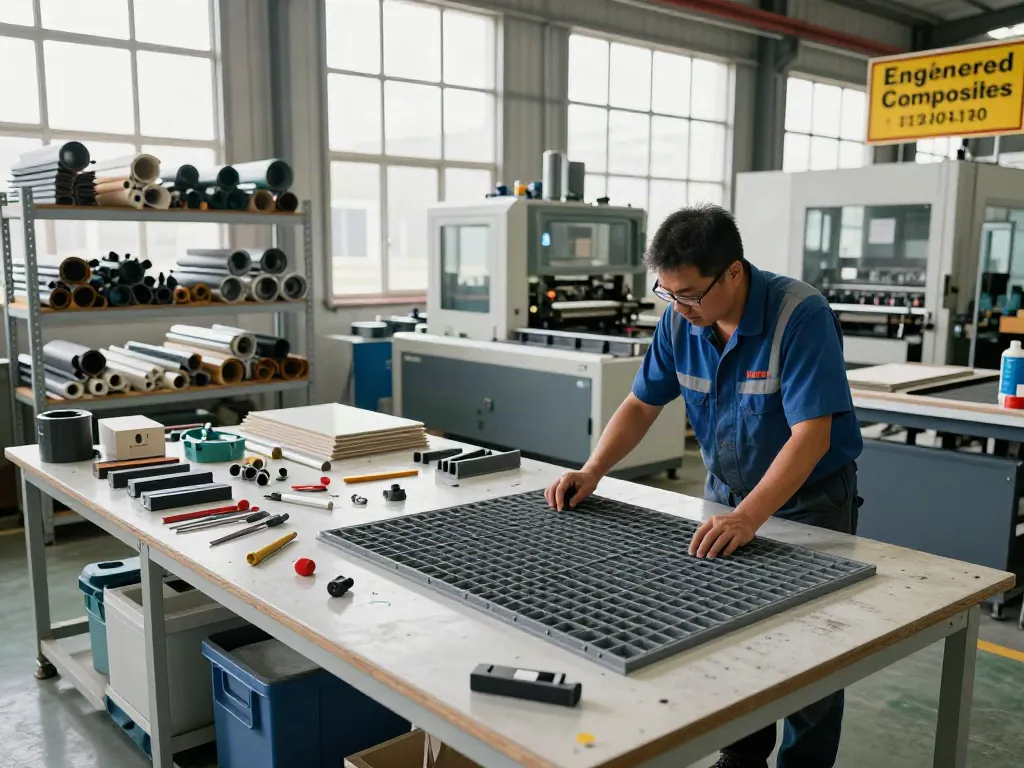
GRP is composed of a polymer matrix reinforced with glass fibers, which enhances its strength, durability, and resistance to various environmental factors. The production process typically involves the creation of a resin, which is then combined with glass fibers in a mold. This mixture is cured to form rigid structures that possess remarkable mechanical properties. The versatility of GRP enables it to be manufactured into a wide range of products, such as gratings, handrails, and profiles, which are essential in construction and industrial applications. By leveraging innovative techniques, Engineered Composites ensures that their GRP products meet stringent quality standards.
Key Materials Used in GRP Production
The primary materials in GRP production are the resin and the reinforcing fibers. Commonly, unsaturated polyester or epoxy resins are used due to their excellent adhesion, mechanical strength, and chemical resistance. The glass fibers, typically E-glass, provide reinforcement to the resin matrix, making the final product lightweight yet incredibly strong. The careful selection of these materials is crucial, as they directly impact the performance and longevity of the GRP products manufactured.
The Manufacturing Process of Engineered Composites
Engineered Composites employs a meticulous manufacturing process that adheres to ISO 9001 standards, ensuring high-quality outcomes for every product. The process begins with material selection, where only the best resins and glass fibers are chosen. Following this, the composite is shaped into the desired form using techniques such as pultrusion or hand lay-up, depending on the complexity and size of the final product. After molding, the components undergo rigorous testing and quality checks, guaranteeing compliance with all relevant standards.
Benefits of Choosing Engineered Composites for GRP Products
Choosing Engineered Composites as a GRP supplier comes with numerous advantages that make it the preferred choice for various sectors. The company's commitment to quality, combined with its extensive product range, makes it a trusted partner in delivering innovative solutions.
Why GRP is Superior to Steel and Aluminium
One of the most significant advantages of using GRP over traditional materials like steel and aluminium is weight. GRP is approximately 70% lighter than steel, which translates to easier handling and installation. Additionally, GRP exhibits exceptional corrosion resistance, making it suitable for environments where metal would deteriorate rapidly. This durability results in lower maintenance costs compared to steel or aluminium, making GRP a more economical choice in the long run.
Durability and Longevity of GRP Products
GRP products are engineered to withstand harsh conditions, boasting a service life of over 50 years with minimal maintenance. Their resistance to UV rays, chemicals, and moisture ensures that they retain their structural integrity and appearance over time. This longevity is particularly advantageous for industries that operate in challenging environments, such as marine and chemical sectors, where material performance is critical.
Cost-effectiveness and Maintenance Savings
By opting for GRP, businesses can significantly reduce their overall costs. The lightweight nature of GRP means lower transportation costs and easier installation, while its durability leads to fewer replacements and repairs over time. Furthermore, GRP does not require regular painting, galvanizing, or corrosion protection, which further enhances its cost-effectiveness.
Ensuring Quality in GRP Manufacturing
Quality assurance is paramount in GRP manufacturing, and Engineered Composites places a strong emphasis on adhering to strict industry standards. This commitment to quality not only safeguards the company’s reputation but also guarantees customer satisfaction.
ISO Certifications and Industry Standards
Engineered Composites operates under an ISO 9001-certified quality management system, which ensures that every aspect of production meets international quality benchmarks. Compliance with standards such as BS EN 13706 and BS 476 Part 7 for fire safety reinforces the reliability of their products, making them a preferred choice across various industries.
Quality Assurance Processes at Engineered Composites
The company implements rigorous testing procedures at every stage of production. This includes checking for tensile strength, dimensional accuracy, and fire resistance. By conducting such thorough tests, Engineered Composites ensures that all GRP products meet the highest safety and performance criteria, thereby instilling confidence in their clients.
Customer Reviews and Satisfaction Ratings
Engineered Composites has received numerous positive reviews from clients, consistently achieving 5-star ratings. Customers applaud the quality of the GRP products, the responsiveness of the team, and the overall service experience. These testimonials serve as a testament to the company’s dedication to excellence and reliability.
Applications of GRP Products in Various Industries
The versatility of GRP products enables their application across a multitude of industries, significantly enhancing infrastructure and operational efficiency.
GRP in Construction and Infrastructure
In the construction sector, GRP is utilized for a variety of applications, including grating, decking, and handrails. Its lightweight nature simplifies the installation process, making it an ideal choice for projects that require quick turnaround times. Additionally, GRP components are designed to meet structural performance standards, ensuring that they can support the demands of modern infrastructure.
Use of GRP in Marine and Offshore Projects
GRP products are particularly well-suited for marine applications due to their corrosion resistance and durability. They are used in constructing walkways, platforms, and even boat hulls. The ability to withstand saline environments without degradation makes GRP a superior option for marine engineering projects, where the longevity of materials is crucial.
Innovative Applications in Rail and Utilities
In the rail sector, GRP is employed in various components, from platforms to safety barriers. Its non-conductive properties are advantageous in electrical applications, minimizing risks associated with electrical hazards. Furthermore, utilities benefit from GRP products that can be used in trench covers and access points, providing safety and reliability over time.
Future Trends in GRP Manufacturing
As technology advances, the future of GRP manufacturing looks promising, with emerging trends shaping the industry in ways that enhance product performance and sustainability.
Emerging Technologies in GRP Production
Innovations in manufacturing techniques, such as automated production systems and advanced composite materials, are paving the way for more efficient and sustainable GRP production. These technologies facilitate the creation of lighter, stronger, and more durable products that meet the evolving demands of the marketplace.
The Path Towards Sustainability in GRP
With growing concerns about environmental impact, the GRP industry is taking strides towards sustainability. Manufacturers are exploring ways to incorporate recycled materials into their products and improve energy efficiency during production. This shift not only benefits the environment but also aligns with the increasing demand for eco-friendly construction materials.
Predicting the Future of Engineered Composites by 2026
Looking ahead, Engineered Composites aims to remain at the forefront of GRP innovation. By continuously investing in research and development, the company is well-positioned to adapt to future market trends and customer needs, ensuring that they provide cutting-edge solutions that enhance operational efficiency and sustainability across all industries.
How Can I Get a Quotation Today?
For those interested in sourcing high-quality GRP products, getting a quotation from Engineered Composites is simple. The company offers a streamlined process for obtaining quotes, ensuring that customers receive timely and accurate information to help them make informed decisions. Whether you require standard items or custom solutions, Engineered Composites is ready to assist you with expert advice and rapid response times.