Understanding Flagpoles Australia and Their Importance
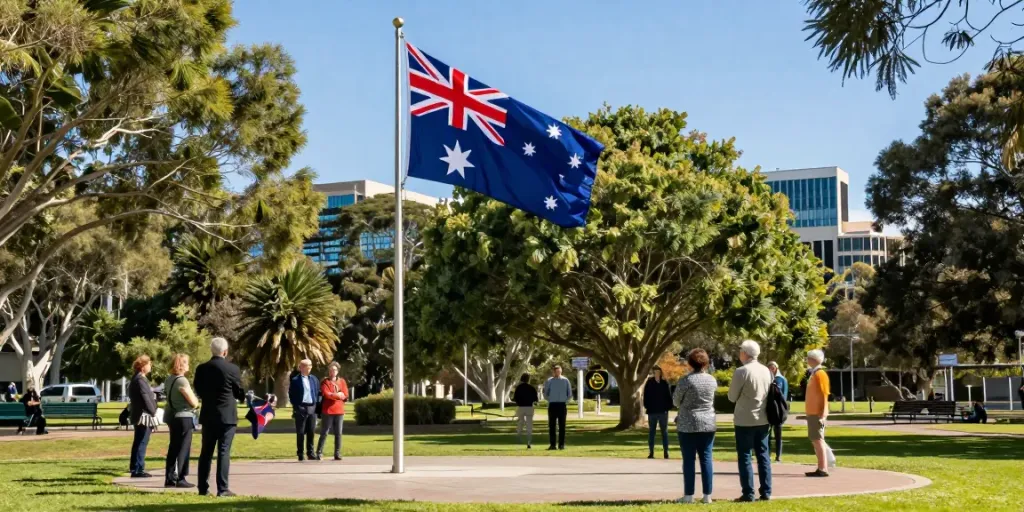
Flagpoles serve as highly visible symbols of identity, pride, and recognition in Australian communities. Whether adorning the skyline of a city, standing tall at a local sports club, or gracefully presenting a national flag at a government building, flagpoles are significant elements in public spaces across the nation. With a strong focus on quality and durability, companies like Goldspar have been leading the way in the manufacturing of flagpoles australia, ensuring that these essential structures are designed to withstand the diverse and often harsh Australian climate.
What Makes Flagpoles Unique in Australia?
Flagpoles in Australia are not just functional structures; they embody the spirit and heritage of the nation. The unique geographical and climatic conditions across Australia require flagpoles to be engineered to endure high wind conditions, salty air near coastal areas, and extreme temperatures. As a result, Australian flagpoles are typically constructed from high-grade materials, such as premium aluminium, designed to resist corrosion and maintain structural integrity over decades.
Historical Significance of Flagpoles in Public Spaces
Since the arrival of European settlers, flagpoles have played a crucial role in Australia’s public spaces, representing colonial power, national unity, and cultural diversity. From the early days of colonial flags to the modern Australian National Flag, these poles signify identity and pride. In contemporary society, flagpoles are used for various purposes, including commemorating significant events, displaying corporate branding, and uniting communities during national celebrations.
Key Regulations and Standards for Flagpoles
The construction and installation of flagpoles in Australia must adhere to specific regulations and safety standards. The Australian Standard AS1170.2 outlines requirements for wind loading, ensuring flagpoles can withstand gusts of wind up to 180 km/h in certain regions. Manufacturers like Goldspar not only comply with these standards but often exceed them, providing clients with flagpoles that come certified by independent structural engineers.
Choosing the Right Flagpole for Your Needs
When selecting a flagpole, various factors come into play, tailored to your specific requirements and location. Understanding the types of flagpoles available, as well as the intended use, is crucial to making an informed decision.
Types of Flagpoles Available in Australia
There are several types of flagpoles available in Australia to suit different applications:
- Standard Flagpoles: These versatile poles can range from 3 metres to 20 metres in height and are suitable for residential, commercial, and public use.
- Wall Mounted Flagpoles: Perfect for buildings where ground space is limited, these poles can be installed on various façade angles and are available in multiple heights.
- Yacht Squadron Flagpoles: Specifically designed for marine environments, these flagpoles are crafted to withstand harsh coastal conditions.
- Custom Flagpoles: Tailored to unique specifications, these flagpoles can reach heights of up to 25 metres and are ideal for corporate branding.
Factors to Consider When Selecting a Flagpole
When choosing a flagpole, consider the following factors:
- Height: Determine the appropriate height based on visibility, location, and the type of flag being displayed.
- Material: Opt for durable materials, such as premium aluminium, which offer longevity and minimal maintenance.
- Wind Resistance: Select flagpoles built to withstand local wind conditions; poles engineered for 180 km/h wind loads are ideal for coastal areas.
- Installation: Assess whether you will require professional installation services or if it can be a DIY project.
Custom Flagpole Options for Unique Projects
For projects that require a distinct touch, custom flagpoles can be designed to meet specific aesthetic or structural requirements. Goldspar specializes in producing bespoke flagpoles that incorporate unique finishes, different heights, and specialized mounting options, ensuring each installation reflects the client's vision.
Installation Guidelines for Flagpoles Australia
Installing a flagpole involves careful planning and execution to ensure safety and functionality. Follow these guidelines to facilitate a successful installation.
Essential Tools and Equipment for Installation
The following tools and equipment are typically necessary for flagpole installation:
- Measuring tape for site assessment
- Drilling equipment for anchoring bases
- Level to ensure the pole stands straight
- Support brackets for wall-mounted installations
- Safety gear including gloves and helmets
Step-by-Step Installation Process
Here’s a step-by-step guide for installing a standard free-standing flagpole:
- Choose a Suitable Location: Ensure that the selected location allows for clear visibility and is compliant with any local regulations.
- Prepare the Foundation: Dig a hole according to the pole’s specifications, typically a minimum depth of 1/3 the pole's height.
- Set Up the Pole: Place the pole into the hole and ensure it is straight using a level.
- Fix the Base: Pour concrete into the hole and allow it to set completely before attaching flags.
- Attach Flags: Use the halyard system to securely attach flags, ensuring they can be raised and lowered easily.
Common Installation Challenges and Solutions
Some common challenges during flagpole installation include:
- Uneven Ground: Level the foundation area to ensure a stable base for the flagpole.
- Windy Conditions: If strong winds are forecasted, postpone installation until conditions are calm to avoid accidents.
- Incorrect Measurements: Double-check all measurements before drilling and installing to avoid costly adjustments later.
Maintenance Tips for Longevity of Flagpoles
Proper maintenance of flagpoles is essential to ensure their longevity and continued functionality. Regular inspections and care can prevent severe wear and tear.
Regular Care for Aluminium Flagpoles
For aluminium flagpoles, routine maintenance includes:
- Cleaning: Regularly clean the flagpole to remove dirt and marine deposits, particularly for coastal installations.
- Inspection: Inspect for any signs of rust or damage, especially at the base and around fittings.
- Lubrication: Ensure that the halyard system and any moving parts are adequately lubricated to prevent wear.
Identifying and Addressing Common Wear and Tear
Common issues include:
- Discoloration: This can be rectified with polishing or repainting, depending on the finish of the pole.
- Rusting: Immediate action should be taken if rust is detected; treat with an appropriate rust inhibitor.
- Loose Fittings: Regularly check and tighten fittings to maintain security.
When to Consider Professional Maintenance Services
For flagpoles that are particularly tall or installed in hard-to-reach locations, consider hiring professional maintenance services to conduct inspections and repairs. Additionally, if significant damage is found, professionals can provide specialized repair services that ensure safety and compliance.
Future Trends in Flagpole Design and Usage
As technology evolves and design trends shift, flagpoles are also experiencing changes that enhance their functionality and aesthetic appeal.
Innovations in Flagpole Materials and Designs
Advancements in materials science are leading to the development of more lightweight yet durable flagpole options. Innovations in finishes and coatings enhance corrosion resistance and longevity, while modern designs incorporate smart technology for automatic flag raising and lowering systems.
The Role of Flagpoles in Community Identity
Flagpoles continue to foster a sense of community identity, particularly in multicultural regions. Custom flagpoles displaying both national and local flags can symbolize unity amidst diversity, celebrating different heritages within communities.
Predictions for Flagpole Trends in 2026 and Beyond
Looking to the future, flagpoles are predicted to incorporate sustainable materials and energy-efficient technologies. The trend towards green building practices may lead to more environmentally friendly options in flagpole production, further solidifying their role in promoting national pride and community identity.