Understanding CNC Machining and Its Importance
CNC (Computer Numerical Control) machining is a revolutionary process that has transformed the manufacturing landscape since its inception. It involves the use of computerized controls to operate machinery and tools in the fabrication of parts and components. Particularly in industries requiring high precision and intricate designs, CNC machining stands out due to its unmatched accuracy and quality. For businesses looking to stay ahead, partnering with a reliable precision cnc machining supplier is essential for achieving optimal results.
What is CNC Machining?
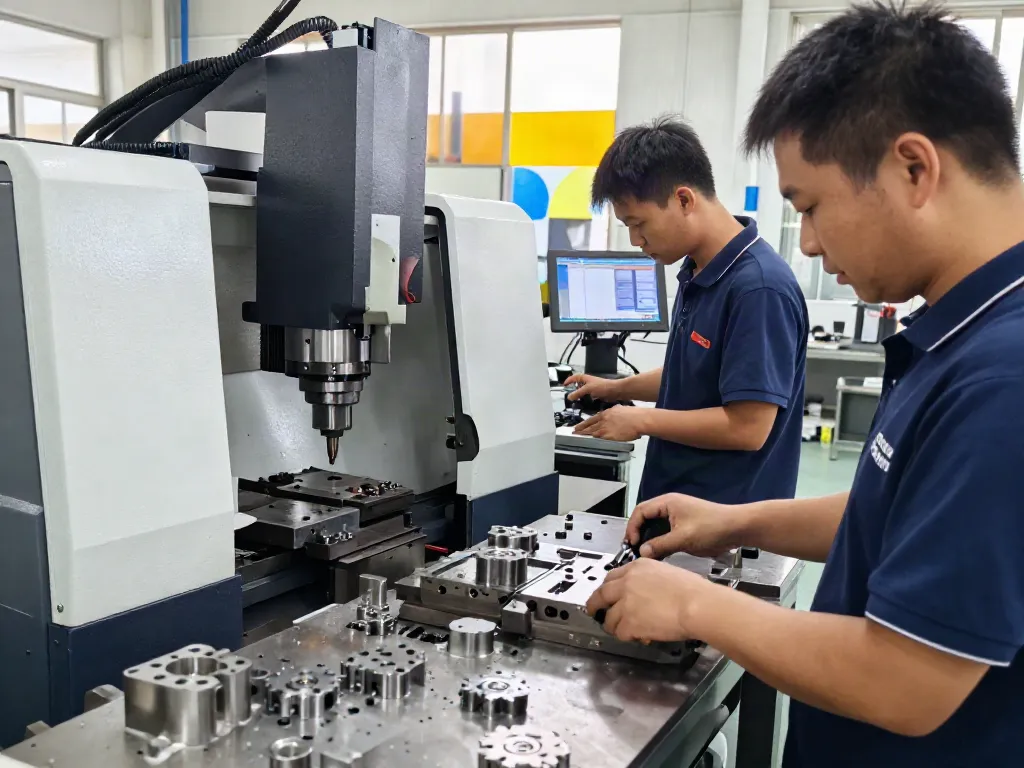
CNC machining refers to the automated process that utilizes computer software to control machine tools. These machines can include lathes, mills, routers, and grinders, which are programmed to cut, shape, and finish materials like metals, plastics, and wood. The process begins with a CAD (Computer-Aided Design) drawing, which is then converted into a CNC program that guides the machining operations.
The Evolution of CNC Technology
Since the early 1950s, CNC technology has continuously evolved, integrating more sophisticated software and hardware solutions. The advancement from punch cards to contemporary software allows manufacturers to create complex geometries and precise tolerances that were previously unattainable. The introduction of multi-axis machining has further enhanced capabilities, enabling the production of intricate parts in a single setup.
Key Benefits of Precision CNC Machining
- High Precision: CNC machines can achieve tolerances as tight as +/- 0.001 inches, making them ideal for industries like aerospace and medical.
- Efficiency: Automated processes reduce the time required for production, which can lead to quicker turnaround times for projects.
- Consistency: Once programmed, CNC machines can produce identical parts consistently, mitigating human error.
- Flexibility: CNC machining allows for easy alterations in designs without extensive retooling, accommodating custom orders smoothly.
Choosing the Right Precision CNC Machining Supplier
Selecting a suitable CNC machining partner is critical for ensuring product quality and service reliability. Companies should consider several factors when evaluating potential suppliers to guarantee they meet their operational standards.
Evaluating Supplier Expertise and Experience
Assessing the expertise and track record of a CNC machining supplier can reveal their ability to handle specific manufacturing challenges. Companies should request case studies or examples of past projects to evaluate whether the supplier's experience aligns with their needs.
Essential Questions to Ask Your Supplier
To better understand a supplier's capabilities, businesses should inquire about:
- The range of materials they can work with.
- The types of CNC machines they operate.
- Their quality assurance processes and certifications.
- Lead times and flexibility in production.
Comparing Cost vs. Quality in CNC Services
While cost is a significant factor in choosing a supplier, it should not overshadow the quality of service provided. It is crucial to obtain detailed quotes that outline what is included in the price and compare them against the quality standards described by each supplier.
Common Challenges in CNC Machining
Every manufacturing process has its challenges, and CNC machining is no exception. Acknowledging these issues can help businesses develop strategies to mitigate them.
Mitigating Production Delays
Production delays can stem from various factors, including machine breakdowns and supply chain disruptions. To minimize these risks, companies should establish contingency plans and maintain regular communication with their suppliers regarding scheduling.
Overcoming Material Limitations
Different materials present unique challenges in CNC machining, such as varying machinability or availability. Understanding these limitations can help businesses select appropriate materials based on their machining capabilities.
Addressing Quality Control Concerns
Quality control is critical in CNC machining, and it often requires a multi-step approach. Implementing rigorous inspection protocols throughout the production process ensures that parts meet specified tolerances and standards before delivery.
Best Practices for Working with CNC Machining Suppliers
Establishing a fruitful relationship with a CNC machining partner involves communication and clarity. By following best practices, companies can enhance collaboration and improve project outcomes.
Effective Communication Strategies
Clear communication is essential in all stages of a project. Stakeholders should share expectations explicitly, including timelines, specifications, and any changes that may arise during production.
Setting Clear Project Specifications
Defining the project scope, including dimensions, tolerances, and delivery schedules, eliminates ambiguity and helps the supplier provide accurate quotes and timelines.
Building Long-Term Supplier Relationships
Fostering strong relationships with suppliers can result in improved service and better pricing over time. Regular meetings and feedback sessions can help both parties align their goals and expectations.
Future Trends in Precision CNC Machining (2026 and Beyond)
The CNC machining industry continues to advance, driven by technological integration and market demands. Staying informed about these trends is vital for businesses looking to stay competitive.
Integrating AI and Automation in Machining
The rise of artificial intelligence (AI) and automation is beginning to shape CNC machining practices. AI can optimize programming and predict maintenance needs, enhancing overall efficiency and reducing downtime.
Sustainability Trends in CNC Manufacturing
As environmental concerns grow, sustainability in CNC manufacturing is gaining traction. Suppliers are increasingly adopting practices such as recycling materials and implementing energy-efficient processes.
Adapting to Market Demands for Customization
The demand for highly customized parts is on the rise, necessitating adaptability in CNC machining services. Companies that invest in flexible manufacturing systems will be better positioned to meet diverse customer needs.
What are the key benefits of precision CNC machining?
Precision CNC machining offers numerous advantages, including enhanced accuracy, operational efficiency, and the ability to create intricate designs at scale. These benefits make it indispensable for sectors such as aerospace, automotive, and medical devices.
How do I choose the right CNC machining supplier?
Choosing the right supplier involves evaluating expertise, sourcing capabilities, and the quality assurance processes they have in place. Asking targeted questions can help narrow down options to the best fit for specific project requirements.
What common challenges do CNC machining suppliers face?
Common challenges include production delays, material limitations, and maintaining consistent quality control. A proactive approach can help mitigate these issues and ensure smooth operations.
What are the future trends in CNC machining?
Emerging trends involve the integration of AI and automation, increased focus on sustainability, and the flexibility to accommodate custom orders. Businesses must adapt to these changes to remain competitive.
What should I look for in CNC machining service contracts?
When reviewing service contracts, pay careful attention to clauses related to quality assurance, lead times, and penalties for delays. Clear terms can prevent misunderstandings and protect interests.