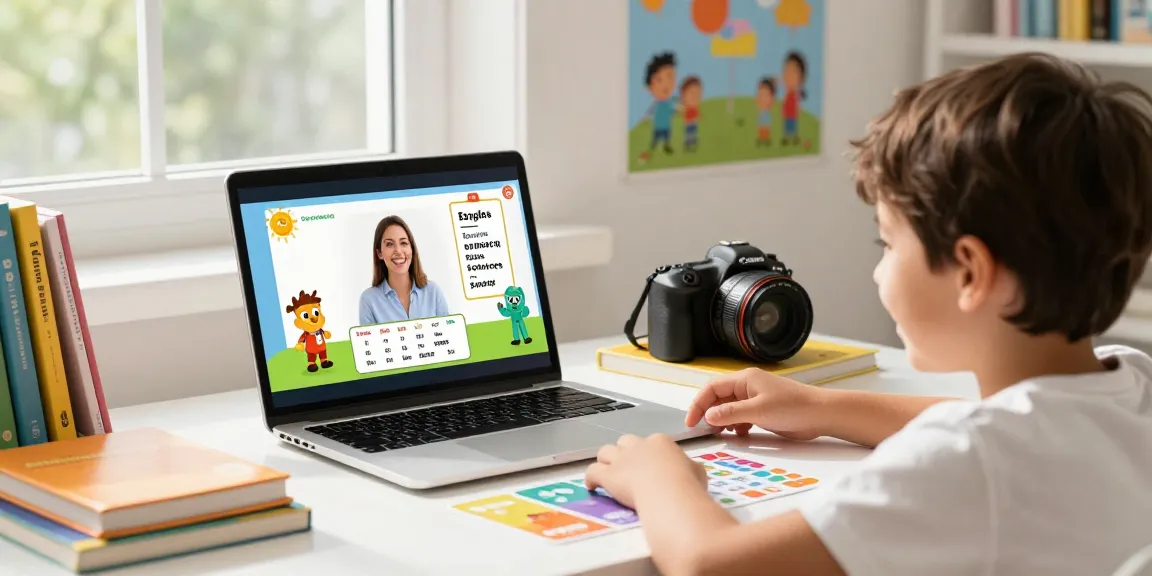
Introduction to English Online for Kids: The Future of Learning
In an era where digital platforms dominate education, online learning has revolutionized how children learn languages. With the increasing demand for English skills globally, parents are seeking effective options for their children to gain proficiency in English. English online for kids offers an innovative approach to language acquisition, combining the benefits of personalized tutoring with the convenience of technology. This article delves into various aspects of online English learning for children, emphasizing the impact of interactive and engaging lessons designed to foster a lifelong love of learning.
What is English Online for Kids?
English online for kids refers to structured lessons delivered through online platforms, enabling children to learn the English language from professional tutors. This model caters to learners aged 4 to 14, incorporating tailored lessons that adapt to each child's individual pace and learning style. Through one-on-one sessions, interactive exercises, and video conferencing, children engage with the language in a supportive environment, making learning both enjoyable and effective.
Benefits of Online Learning Platforms
Online learning platforms present several advantages for young learners, including:
- Flexibility: Lessons can be scheduled around the family's routine, allowing children to learn at their convenience.
- Personalized Learning: Tutors can adjust lesson plans based on the child's progress, ensuring that the teaching pace aligns with their needs.
- Interactive Content: Many platforms use games and interactive activities to maintain engagement, making learning fun.
- Global Access: Families can connect with experienced tutors from anywhere in the world, broadening their educational options.
The Role of Technology in Education
Technology has transformed traditional educational methodologies, providing innovative tools that enhance learning experiences. In online tutoring, various technologies such as video conferencing, interactive software, and virtual classrooms facilitate real-time learning. This tech-driven approach not only makes learning more dynamic but also prepares children for a future where digital literacy is essential. Online English programs harness these technologies to create immersive learning environments that contribute to successful language acquisition.
Understanding the Immersion Method in Online Tutoring
How the Immersion Method Works
The immersion method is a highly effective teaching strategy used by many online language tutors that emphasizes learning through exposure to the language in context. Rather than focusing solely on grammar and vocabulary, this approach encourages children to think and communicate in English. In practice, this means utilizing real-world scenarios, storytelling, and interactive dialogues that immerse learners in the language. Tutors guide children through this process, helping them develop both fluency and confidence in their English abilities.
Engagement Techniques Used by Tutors
Engaged learners are more likely to absorb and retain new information, and effective online tutors use a variety of techniques to keep their students interested. Some common strategies include:
- Interactive Games: Educational games can reinforce vocabulary and grammar while making learning enjoyable.
- Visual Aids: Using images, videos, and presentations can help children better understand concepts.
- Conversational Practice: Regular dialogues between the tutor and the student encourage active participation and help improve speaking skills.
- Feedback Mechanisms: Real-time feedback allows children to learn from their mistakes and understand how to improve.
Benefits of Immersive Learning for Children
Immersive learning fosters a deeper understanding of the English language and has several benefits, including:
- Increased Engagement: Children are more likely to stay focused when they are actively involved in their learning process.
- Confidence Building: As students communicate in English, they gain confidence in their speaking and writing abilities.
- Improved Retention: Immersion helps solidify language concepts, leading to better long-term retention of knowledge.
Choosing the Right Tutor for Your Child
Key Qualities to Look For in a Tutor
Selecting the right tutor is crucial for your child's successful language learning journey. Important qualities to consider include:
- Experience: Look for tutors who have a strong background in teaching English as a second language, particularly to children.
- Engagement Skills: A good tutor should be able to connect with children, making lessons enjoyable and stimulating.
- Adaptability: Every child learns differently, and a tutor should be able to modify their teaching approach based on individual needs.
How to Assess Tutor Methodologies
Before committing to a tutor, it's beneficial to understand their teaching methods. Possible evaluation methods include:
- Trial Lessons: Many online platforms offer trial lessons, allowing you to assess the tutor's style and effectiveness firsthand.
- Reviews and Testimonials: Check feedback from previous students and parents to gauge the tutor's impact on learning outcomes.
- Communication: Discuss your child's specific needs and goals with potential tutors to see how they plan to address them.
Flexibility in Learning: Substituting Tutors
Sometimes a child may not connect with their assigned tutor. In online platforms like LearnLink, parents have the option to substitute tutors easily. This flexibility is essential for ensuring that your child receives instruction in an optimal environment. If a tutor's teaching style doesn't align with your child's learning preferences, parents can request a change within the subscription's parameters, ensuring a better fit and maximizing the learning experience.
Subscription Models and Pricing: What to Expect
Understanding Pricing Structures for Online Lessons
When exploring online tutoring options, understanding the pricing structures is vital. Most platforms offer various subscription models that can cater to different needs, allowing families to choose a plan that aligns with their budget. These typically include:
- Pay-As-You-Go: A flexible plan where families can purchase lessons individually without a long-term commitment.
- Monthly Subscriptions: Offers a set number of lessons per month at a discounted rate compared to pay-as-you-go options.
- Long-Term Contracts: Reduced pricing for commitments of three months or more, which generally offers the lowest cost per lesson.
Trial Lessons: What Parents and Kids Need to Know
Trial lessons are an excellent opportunity for both children and parents to evaluate a tutor before making a commitment. During these sessions, parents should look for:
- Engagement Level: Is the child actively involved and enjoying the lesson?
- Assessment: How does the tutor assess the child's current level and customize future lessons?
- Communication Style: Does the tutor communicate in a way that resonates with the child and promotes understanding?
Cost-Effective Learning Strategies for Families
To maximize the value of investing in online English tutoring, parents can implement several cost-effective strategies:
- Group Lessons: Consider group sessions if available, which can lower costs while fostering peer interaction.
- Consolidated Subscriptions: Combining lessons for siblings or friends might lead to discounts or shared packages.
- Regular Feedback: Engage with tutors to receive updates on progress to ensure that the investment in tutoring is yielding positive results.
Future Trends in Online English Learning
The Rise of Interactive Learning Tools and Games
The future of online English learning heavily leans towards incorporating advanced interactive tools. Platforms are increasingly utilizing gamification strategies to maintain student interest and motivation. By integrating educational games, interactive quizzes, and digital storytelling, students can learn English in an immersive manner that mirrors their natural learning processes while still being enjoyable.
Adapting to Diverse Learning Needs and Styles
As online learning continues to advance, tutors must be equipped to adapt to the diverse learning styles and needs of children. This involves incorporating varied teaching strategies, such as visual, auditory, and kinesthetic methods, ensuring that every learner can thrive. Additionally, platforms will increasingly leverage data-driven insights to personalize learning experiences, helping each child reach their full potential.
Predictions for Online Learning Post-2026
Looking ahead, the online learning landscape for English learners is expected to evolve significantly. With continuous advancements in AI and machine learning, personalized education will become even more refined, allowing for tailored lesson plans that adapt in real-time. Moreover, the importance of soft skills such as collaboration, critical thinking, and creativity will likely be integrated into language learning, preparing children not just for tests but for future success.
Frequently Asked Questions About Online English Learning
What age is appropriate for English online lessons?
Most programs cater to children aged 4 to 14, focusing on preschool and primary school students. Early exposure to English helps solidify foundational skills.
Can parents participate in lessons?
Yes, parental involvement can be beneficial, especially in the early lessons, to help children feel comfortable. However, many children quickly adapt to independent learning.
What is the average duration of a lesson?
Lessons typically last between 25 to 50 minutes, with the duration tailored to the child's age and attention span.
Are there any additional materials required?
No additional materials are necessary, as all learning resources and tools are built into the platform, ensuring a seamless learning experience.
How is progress assessed and reported?
Tutors regularly assess progress during lessons and provide feedback to parents, detailing improvements and areas to focus on for further development.