Understanding Essential Laboratory Supplies
In the ever-evolving landscape of scientific research, having access to essential laboratory supplies is a cornerstone of successful experimentation and discovery. From basic reagents to complex instruments, the right supplies can significantly impact the efficiency and efficacy of research projects. Understanding the fundamental supplies needed for various types of labs, combined with effective inventory management practices, ensures that researchers can focus on their work without unnecessary interruptions. For an extensive selection of these essentials, consider resources such as https://summitresearchsupply.com.
What Supplies Are Fundamental for Research?
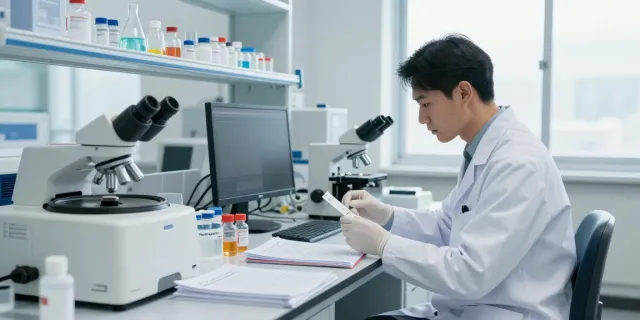
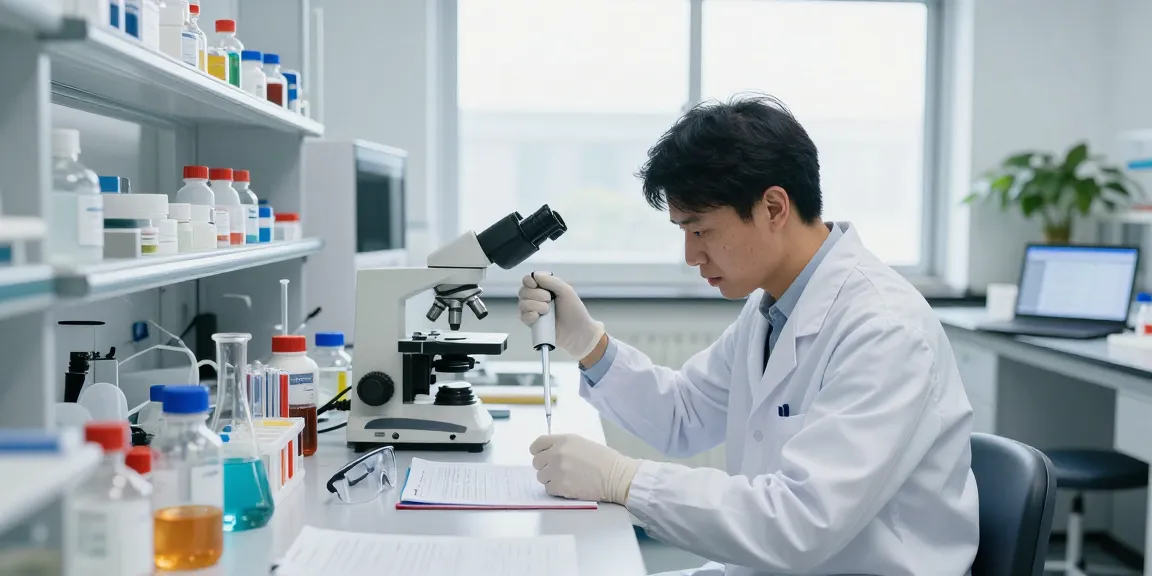
Every laboratory, regardless of its focus—be it biology, chemistry, or physics—requires a range of fundamental supplies. These typically include:
- Glassware: Beakers, flasks, and test tubes are staples for conducting experiments.
- Chemical Reagents: High-quality chemicals are vital for any experimental procedure.
- Protective Equipment: Safety goggles, gloves, and lab coats protect researchers from hazardous materials.
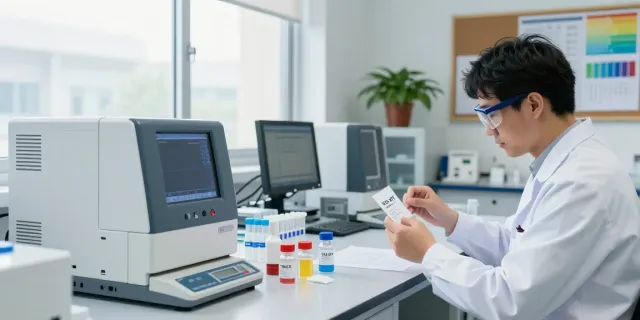
- Measurement Tools: Scales, pipettes, and spectrophotometers are necessary for accurate data collection.
- Storage Solutions: Proper containers and refrigeration systems ensure the stability of sensitive materials.
Researchers must tailor their supply lists according to the specific requirements of their experiments, which can change with the focus of their studies. As technology advances, new supplies continuously emerge, offering enhanced capabilities and improved safety.
Identifying Quality Laboratory Equipment
Quality laboratory equipment can make a significant difference in the reliability of results. To ensure that equipment meets the required standards:
- Research Manufacturers: Choosing reputable brands with a history of reliability can help in selecting high-quality supplies.
- Check Certifications: Look for equipment that meets international standards such as ISO or ASTM.
- Read Reviews: User feedback can provide insights into the performance and durability of the equipment.
Regular maintenance and calibration of equipment are also critical to maintaining accuracy and prolonging lifespan. Keeping an eye on technological advancements in equipment can further optimize your lab's performance.
Innovative Techniques in Laboratory Research
The landscape of laboratory research is continually transformed by innovative techniques that enhance data collection and analysis. Researchers are encouraged to stay updated on the latest methodologies to keep their work relevant and impactful.
Utilizing Technology in Data Collection
Data collection has evolved with the introduction of smart technologies and automated systems. For instance, laboratory information management systems (LIMS) streamline data entry and retrieval processes, reducing human error. Additionally, digital data collection tools and mobile applications can help researchers gather and analyze data in real time, making experimentation more efficient.
Streamlining Workflow with Automation
Automation is revolutionizing laboratories by significantly reducing manual labor in repetitive tasks. Robotic systems can handle tasks such as pipetting and sample analysis, allowing researchers to focus on creative aspects of their studies. Moreover, integrating artificial intelligence can enhance predictive modeling and data analysis, resulting in improved outcomes and faster turnaround times.
Data Analysis Methods for Accurate Results
Modern laboratories have access to advanced data analysis techniques, including machine learning and statistical modeling, which can provide deeper insights into research findings. By employing software that can handle large datasets, researchers can uncover patterns and relationships that may not be visible through traditional analysis methods. This can lead to more accurate conclusions and innovative solutions to scientific problems.
Safety Standards and Compliance in the Lab
Ensuring safety and compliance in the laboratory is paramount for researchers. Understanding current regulations and maintaining a safe working environment is not only a legal obligation but also essential for the well-being of all personnel involved.
Essential Safety Equipment for Researchers
All laboratories must be equipped with safety gear and equipment. Key items include:
- Personal Protective Equipment (PPE): This includes gloves, lab coats, and face shields to protect against chemical splashes.
- Emergency Equipment: Eyewash stations and safety showers should be easily accessible.
- First Aid Kits: Every lab should have a stocked first aid kit for immediate response to accidents.
Understanding Chemical Safety Regulations
Compliance with chemical safety regulations is crucial. Laboratories must adhere to guidelines set forth by organizations such as OSHA and EPA, which dictate the safe handling, storage, and disposal of hazardous materials. Regular training sessions can help ensure all personnel understand these regulations and know how to implement them effectively.
Best Practices for Lab Waste Disposal
Proper waste disposal is critical in maintaining a safe laboratory environment. Laboratories must have designated treatment and disposal procedures for hazardous waste, including chemical, biological, and radioactive materials. Utilizing waste management companies that specialize in hazardous waste can simplify compliance with local and national regulations.
Trends Shaping the Future of Research Supplies
The field of laboratory research is always advancing, and staying informed about emerging trends is essential for researchers looking to maintain a competitive edge. Understanding these trends can guide procurement strategies and research directions.
Emerging Technologies in Laboratory Equipment
Innovations such as nanotechnology and 3D printing are beginning to impact laboratory equipment offerings. For example, 3D printing allows for the rapid prototyping of experimental apparatus, ensuring that researchers can test concepts more efficiently. Additionally, nanotechnology can lead to the development of new materials that improve the capabilities of existing lab instruments.
Sustainability in Research Materials
With growing awareness of environmental issues, many laboratories are shifting toward sustainable practices. This includes sourcing eco-friendly materials and minimizing waste through recycling and proper disposal methods. Organizations are encouraged to adopt green chemistry principles in their research to not only protect the environment but also enhance their public image.
Predictions for Research Supply Needs in 2026
As research continues to evolve, predictions for the future indicate an increase in demand for high-tech and sustainable lab supplies. By 2026, we may see a rise in the use of biodegradable materials and automated systems, which will further enhance laboratory efficiency and safety. Additionally, the integration of remote monitoring technologies is expected to become commonplace, allowing researchers to oversee operations from afar and make real-time adjustments.
Maximizing Efficiency and Effectiveness in Research
To achieve optimal results in laboratory research, maximizing efficiency and effectiveness is crucial. Implementing strategies that streamline processes can save time and resources while enhancing the quality of research outcomes.
Time Management Strategies for Researchers
Effective time management is essential for researchers overwhelmed with tasks. Techniques such as the Pomodoro Technique—where work is broken into intervals—can help maintain focus and productivity. Moreover, utilizing project management software can assist in scheduling tasks and tracking progress.
Collaborative Approaches to Research Projects
Collaboration can lead to innovative solutions and better outcomes. Establishing partnerships with other researchers and institutions can provide access to shared resources, expertise, and diverse perspectives. Utilizing collaborative platforms can facilitate better communication and project management.
Measuring Success and Performance in the Lab
Establishing key performance indicators (KPIs) is vital for measuring research success. These metrics can include the number of experiments conducted, publication rates, and funding obtained. Regular assessments of these indicators help researchers adjust strategies and improve productivity.
What are the key benefits of using https://summitresearchsupply.com?
Utilizing platforms like https://summitresearchsupply.com can streamline the procurement process for essential lab supplies, ensuring researchers have access to quality materials. Their extensive inventory allows for easy comparisons and informed purchasing decisions, ultimately enhancing research productivity.
How can I ensure my lab is compliant with current safety standards?
To ensure compliance, regularly review safety regulations and implement training for all lab personnel. Establishing a safety officer to oversee compliance and auditing safety practices can further enhance your lab's adherence to standards.
What innovative technologies should I consider for my research?
Consider incorporating automation tools, advanced data analysis software, and sustainable materials into your lab. Staying updated on the latest technological advancements will ensure your research methodology remains cutting-edge and effective.