Understanding the Role of a Glass Cutting Machine Manufacturer
In an evolving industrial landscape, the role of a glass cutting machine manufacturer has become increasingly vital. These manufacturers are responsible for producing cutting-edge machinery that enhances the efficiency and precision of glass processing, catering to various applications, including architectural, automotive, and decorative glass industries. This article aims to explore the multifaceted responsibilities of these manufacturers, the technologies they employ, and their significance in the modern manufacturing ecosystem.
What Does a Glass Cutting Machine Manufacturer Do?
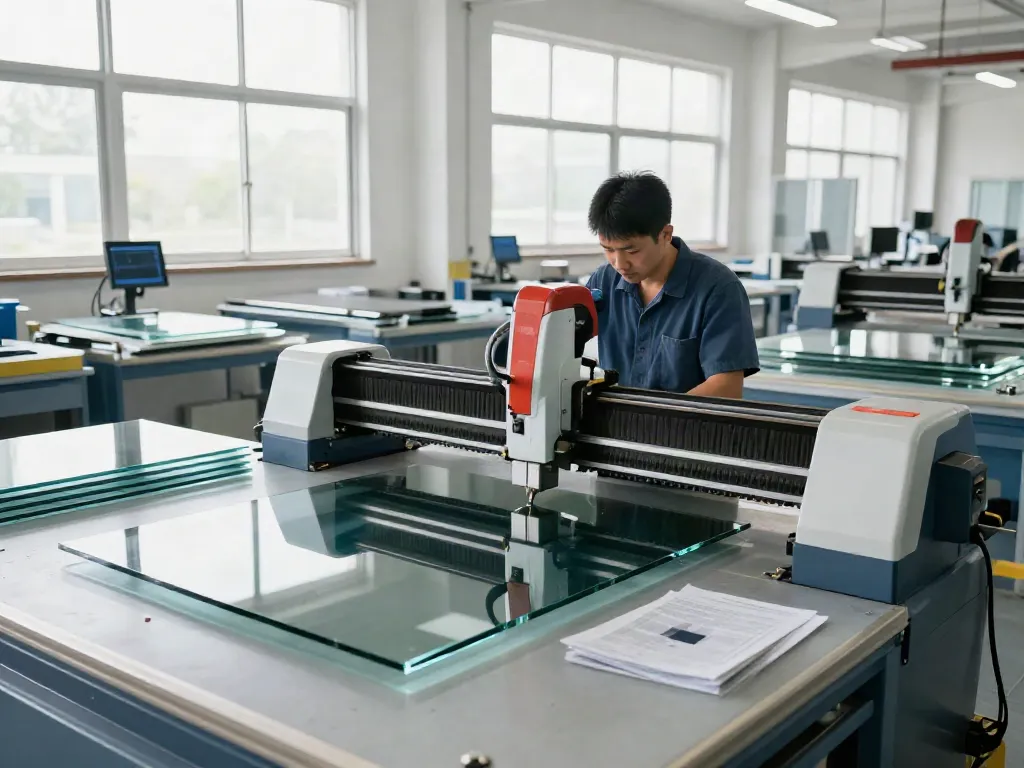
A glass cutting machine manufacturer designs, produces, and supplies a wide range of machines specifically tailored for glass processing. Their primary function involves the development of machinery that accurately and efficiently cuts glass sheets into specified dimensions and shapes. In addition, these manufacturers are involved in the whole production lifecycle, from initial research and development to post-sale customer support. Companies in this sector must stay abreast of market trends and technological advancements to ensure their products remain competitive.
Key Technologies in Glass Cutting Machinery
Modern glass cutting machines employ varied technologies which enhance precision and efficiency. Among the most notable are:
- CNC (Computer Numerical Control): CNC technology allows for highly automated and precise cutting processes, where computer programs dictate the movements of the cutting tools.
- Laser Cutting: This process uses high-intensity lasers to cut through glass with remarkable accuracy, minimizing waste and increasing speed.
- Water Jet Cutting: Utilizing high-pressure water, this method is excellent for intricate designs and minimizes thermal stress on the material.
Difference Between Manual and Automated Glass Cutting Processes
Glass cutting can generally be classified into manual and automated processes. Manual cutting involves using handheld tools and requires a skilled operator to achieve the desired results. While this traditional method can provide flexibility for custom projects, it often lacks the precision and efficiency found in automated systems. Automated glass cutting systems, on the other hand, offer faster production rates with enhanced accuracy and reduced labor costs, making them increasingly popular in high-demand manufacturing environments.
Market Trends for Glass Cutting Machines in 2026
The glass cutting machine market is poised for significant evolution as we approach 2026. Key trends shaping this industry are reflective of broader economic and technological changes impacting manufacturing sectors globally.
Growing Demand in the Construction Industry
One of the primary drivers for growth in the glass cutting machine sector is the booming construction industry. As urbanization continues, the demand for glass in buildings—particularly large commercial and residential projects—grows exponentially. Manufacturers who can provide flexible solutions that can adapt to varying project demands will find substantial opportunities in this burgeoning market.
Technological Innovations in Glass Cutting
As technology advances, so do the capabilities of glass cutting machines. Innovations such as artificial intelligence (AI) and machine learning are beginning to influence how manufacturers design cutting solutions, leading to enhanced predictive maintenance capabilities and optimized cutting paths. These technologies not only streamline processes but also significantly reduce operational costs.
Environmental Considerations and Sustainable Practices
With the increasing global focus on sustainability, the glass cutting machine industry is also shifting towards environmentally friendly practices. Manufacturers are now integrating energy-efficient systems and promoting the recycling of glass waste. Sustainable practices are becoming essential, not just for compliance with regulations but also as a competitive advantage in the marketplace.
Choosing the Right Glass Cutting Machine
Selecting the right glass cutting machine is essential for businesses aiming to maximize efficiency while minimizing costs. Key considerations include production needs, technology types, and budget constraints.
Evaluating Your Production Needs
Before investing in a glass cutting machine, businesses must assess their specific production requirements. Factors such as the types of glass being processed, production volumes, and the complexity of cuts should be considered. Engaging with a glass cutting machine manufacturer can provide valuable insights into what may best suit a company's needs.
Comparing Different Glass Cutting Technologies
With numerous technologies available, it's crucial to compare the benefits and limitations of various options. For example, CNC machines may offer unparalleled precision but could come at a higher cost, while manual machines might be better suited for smaller operations or specialized projects. Conducting a comprehensive comparison will help businesses determine the best fit for their operations.
Budgeting and Costs for High-Quality Machinery
Budgeting for a glass cutting machine involves considering not just the purchase price but also ongoing operational costs. When calculating total cost of ownership (TCO), factors such as energy consumption, maintenance, and potential downtime should be evaluated. Engaging with industry experts can aid in developing a more comprehensive understanding of the financial implications involved.
Common Challenges Faced by Glass Cutting Machine Manufacturers
The glass cutting machine industry, while full of opportunities, is not without its challenges. Manufacturers must navigate a variety of obstacles to remain competitive and profitable.
Addressing Quality Control Issues
Quality control is paramount in machinery manufacturing. Any defects during production can lead to significant losses in terms of material waste and rework costs. Implementing robust quality assurance protocols is essential for maintaining high standards across product lines and ensuring customer satisfaction.
Managing Supply Chain Constraints
Global events can significantly impact the supply chain, affecting the availability of raw materials essential for machine manufacturing. Developing a resilient supply chain strategy—possibly by diversifying suppliers or utilizing local resources—can mitigate risks associated with supply disruptions.
Adapting to Rapidly Changing Market Demands
The market for glass machinery is influenced by numerous factors, including technological advancements and consumer preferences. Manufacturers must be agile enough to adapt to these changes, requiring a forward-thinking approach and a willingness to invest in research and development.
Future Predictions for the Glass Cutting Industry
The glass cutting industry is positioned for considerable change over the next several years. Predictions suggest that technological advancements and evolving market conditions will create new opportunities and challenges.
Emerging Technologies in Glass Processing
As automation and digitalization continue to shape the manufacturing landscape, emerging technologies like robotics and AI are expected to play a larger role in glass processing. These advancements are likely to enhance operational efficiencies and reduce human error, leading to a more streamlined production process.
Expected Industry Growth and Market Opportunities
Industry analysts predict steady growth in the glass processing market, driven by increased applications across construction, automotive, and consumer goods. Manufacturers who can innovate and adapt to emerging trends will discover ample market opportunities waiting to be seized.
Expert Insights: What to Expect in the Coming Years
Industry experts emphasize the need for agility and foresight in adapting to shifting market dynamics. Continuous investment in R&D, alongside a keen focus on sustainability practices, will likely be the cornerstone for success in the years to come.
What is the average cost of a glass cutting machine?
The cost of a glass cutting machine can vary widely based on its capabilities and technology type, with prices ranging from a few thousand dollars for basic manual machines to several hundred thousand for advanced CNC systems.
How do automated glass cutting machines work?
Automated glass cutting machines work by using computer-controlled systems to guide cutting tools with precision. These machines can execute complex cuts rapidly, often incorporating features such as nested cutting for maximizing material usage.
What are the benefits of using CNC glass cutting technology?
CNC glass cutting technology offers numerous advantages, including increased accuracy, reduced waste, and enhanced productivity. The ability to program complex designs decreases manual labor and allows for repeated precision across large production runs.
Who are the top glass cutting machine manufacturers?
Leading manufacturers include companies renowned for quality and innovation, such as Eworld Machinery, Bottero, and CMS. These brands represent a spectrum of solutions from basic to highly sophisticated machinery.
How can I maintain my glass cutting machine for longevity?
Regular maintenance, including cleaning, lubrication, and inspections, is vital for extending the life of glass cutting machines. Adhering to the manufacturer's maintenance schedule and using recommended parts will optimize performance and reliability.