Understanding Central Type AC Systems
In the scorching heat of Dubai, having a reliable air conditioning system is not just a luxury, it's a necessity. Among the various types of air conditioning systems available, the Central type AC stands out for its efficiency in cooling large spaces, making it an ideal choice for both residential and commercial properties. This article provides a comprehensive guide to understanding central type AC systems, their components, benefits, common issues, and essential maintenance tips to ensure longevity.
What is a Central Type AC?
A central type air conditioning system, often referred to as central AC, is designed to cool multiple rooms or an entire building through a series of ducts. Unlike window units that are confined to one space, central AC systems distribute cooled air through a network of ducts from a central unit. This system typically comprises an outdoor condenser, an indoor evaporator, and ducts that carry the conditioned air to various rooms.
Key Components of Central Type AC Units
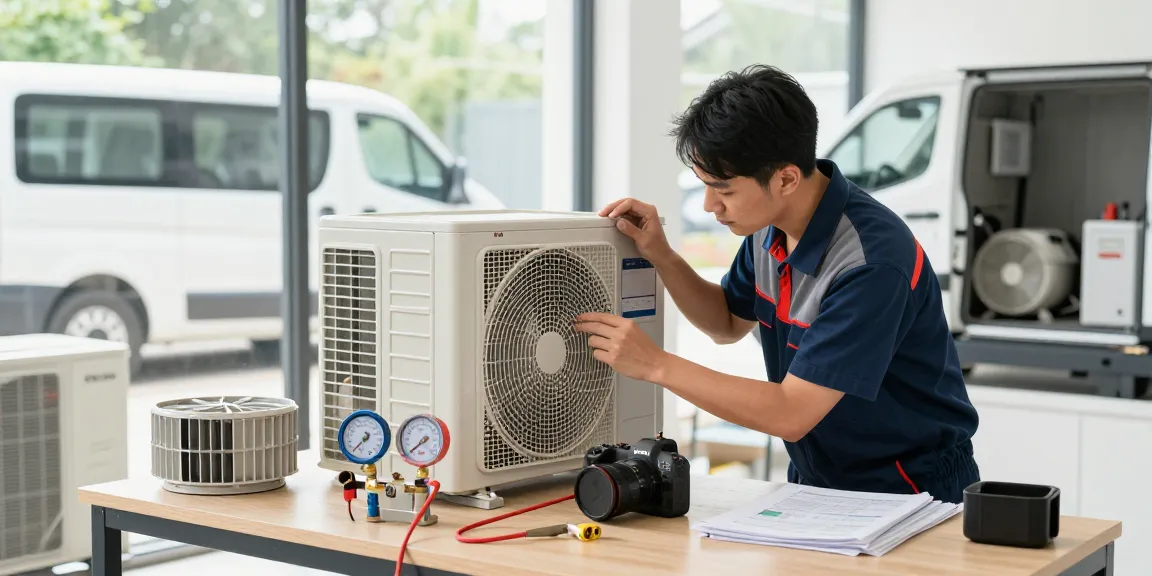
- Outdoor Unit: Houses the compressor and condenser coil, vital for cooling refrigerant.
- Indoor Unit: Contains the evaporator coil and air handler, working to distribute cool air throughout the space.
- Ductwork: A network of ducts that transports the cooled air into different rooms and returns warm air back to the unit.
- Thermostat: A device to set and regulate the desired temperature in the space.
Benefits of Central Type AC Over Other Systems
Central type AC systems offer several advantages compared to other air conditioning options:
- Efficient Cooling: Central AC can efficiently cool large areas with less energy consumption than operating multiple individual units.
- Improved Air Quality: The system utilizes filters that help eliminate dust, allergens, and pollutants, resulting in cleaner air.
- Reduced Noise: Since the main components are located outside the building, central AC systems typically operate more quietly than window or portable units.
- Aesthetic Appeal: Ductwork can be hidden within walls, allowing for a clean and unobstructed interior space.
Common Issues and Troubleshooting Techniques
Despite their advantages, central type AC systems are not without issues. Recognizing these problems early can save homeowners time and money.
Identifying Signs of Malfunction in Central Type AC
Some common signs that your central type AC may need repairs include:
- Inconsistent cooling across different rooms.
- Unusual noises, such as grinding, rattling, or hissing sounds.
- Increased energy bills without a change in usage.
- Frequent cycling on and off.
- Presence of warm air blowing from vents.
Step-by-Step Troubleshooting for Homeowners
Before calling a professional, homeowners can attempt some basic troubleshooting:
- Check the Thermostat: Ensure it is set to a lower temperature than the current room temperature and that the batteries are functional.
- Inspect Air Filters: Clogged filters can restrict airflow. Replace or clean them if they're dirty.
- Examine the Outdoor Unit: Ensure that the outdoor condenser is free from debris, dirt, or obstruction.
- Inspect Ductwork: Look for any visible leaks or disconnected sections.
When to Call a Professional Repair Service
If basic troubleshooting does not resolve the issue, it's time to contact a professional repair service. Signs that require expert attention include:
- Persistent issues after trying the above steps.
- Frequent refrigerant leaks.
- Electrical malfunctions.
- Complexities in the heating or cooling cycle.
Essential Maintenance Tips for Longevity
Regular maintenance is crucial for the longevity and efficiency of central type AC systems. Neglecting these tasks can lead to system failures and costly repairs.
Regular Maintenance Checklist for Central Type AC
- Change air filters every 1-3 months depending on usage.
- Schedule annual professional maintenance checks.
- Inspect ductwork annually for air leaks.
- Clear debris around the outdoor condenser unit.
Seasonal Maintenance Best Practices
As seasons change, so should your maintenance routine. Before summer, ensure that:
- The refrigerant levels are checked and refilled if necessary.
- Coils are cleaned to prevent airflow restrictions.
- The thermostat is calibrated to ensure accuracy.
How Maintenance Affects Energy Efficiency
Efficient operation is directly related to well-maintained systems. Regular maintenance can improve the energy efficiency of your central type AC by:
- Keeping the system clean to reduce energy consumption.
- Identifying issues before they escalate into costly repairs.
- Ensuring that all components are functioning optimally.
Choosing the Right Central Type AC for Your Home
When selecting a central type AC system, considering several factors is essential to ensure you choose the right system for your needs.
Factors to Consider Before Purchase
- Home Size: Calculate the square footage to determine the required cooling capacity, measured in BTUs.
- Energy Efficiency: Look for units with high SEER (Seasonal Energy Efficiency Ratio) ratings.
- Brand Reputation: Research brands known for reliability and customer service.
Energy Efficiency Ratings Explained
Energy efficiency ratings can be confusing but are essential for understanding how much energy your system will consume:
- SEER: The higher the SEER rating, the more efficient the system. A rating above 16 is considered excellent.
- EER: Similar to SEER but measures efficiency at specific temperatures.
- HSPF: Measures heating efficiency, important for units with heating capability.
Top Brands for Central Type AC Systems in 2026
As of 2026, some of the leading brands in central type AC systems include:
- Trane: Known for durability and performance.
- Carrier: One of the pioneers in HVAC technology.
- Lennox: Offers high-efficiency models with innovative designs.
- Goodman: Provides competitive pricing without sacrificing quality.
Future Trends in Central Air Conditioning Technology
The HVAC industry is evolving rapidly, with new technologies aimed at improving efficiency and user experience. Here are some trends to watch:
Innovations in HVAC Systems
- Smart Thermostats: Devices that learn user preferences and optimize cooling schedules.
- Variable Speed Compressors: Allow for more precise temperature control and energy savings.
- Improved Refrigerants: New refrigerants that are more environmentally friendly and energy-efficient.
The Impact of Smart Technology on Central Type AC
Smart technology integration is changing the way users interact with their central AC systems, including:
- Remote access through smartphone apps.
- Integration with home automation systems for seamless control.
- Energy usage tracking for better cost management.
Predictions for the Future of Cooling Systems
As technology continues to advance, the expectations for central air conditioning systems also rise. Future predictions include:
- Increased use of renewable energy sources.
- Enhanced focus on indoor air quality.
- More customizable and user-friendly interfaces.
Frequently Asked Questions about Central Type AC
As homeowners navigate the world of central type AC systems, several common questions often arise:
How often should I service my Central Type AC?
It is recommended to service your central type AC at least once a year, ideally before the summer season begins!
Can I install Central Type AC myself?
Installation of a central type AC system requires professional expertise due to the complexity and need for precise measurements and modifications.
What are the signs that my AC needs repairs?
Common signs include unusual noises, warm air blowing from vents, and inconsistent cooling temperatures.
How does a Central Type AC compare to window units?
Central type AC systems are generally more efficient for larger spaces, provide better air quality, and are quieter than window units.
What should I do if my AC freezes up?
If your central type AC freezes up, check for airflow issues or refrigerant levels. Turn off the unit and call a technician for assistance.