Understanding Septic Tanks: Basics and Functionality
Septic tanks play a crucial role in managing wastewater for homes in Riverside, particularly in areas not serviced by municipal sewer systems. These underground chambers treat and dispose of household sewage through a natural process of sedimentation, bacterial digestion, and soil filtration. Understanding their basics and functionality is essential for homeowners to ensure effective waste management and maintain a healthy living environment. This guide will delve into what septic tanks are, how they work, and the common types suitable for Riverside residences. When exploring options, Septic tanks Riverside provides comprehensive insights into local systems and services.
What is a Septic Tank?
A septic tank is a large, underground container designed to receive and hold sewage from homes. Typically made from concrete, fiberglass, or plastic, septic tanks vary in size to accommodate the volume of wastewater generated by a household. They are designed to separate solids from liquids, allowing wastewater to flow into a drain field for further treatment. Properly maintained septic tanks can last for decades, making them an essential component of rural sanitation.
How Do Septic Tanks Work?
Septic tanks primarily function through a combination of settling and anaerobic digestion. As wastewater enters the tank, it divides into three layers: solids, scum, and effluent. Solids settle at the bottom, forming sludge, while lighter materials, such as grease and oil, float to the top, creating scum. The liquid effluent in the middle is discharged into a drain field, where it further decomposes through natural soil processes. Bacteria play a significant role in breaking down the solids within the tank, facilitating a continuous cycle of treatment.
Common Types of Septic Tanks for Riverside Homes
There are several types of septic tanks that homeowners in Riverside can consider:
- Concrete Septic Tanks: Durable and long-lasting, concrete tanks are ideal for heavy-duty use.
- Fiberglass Septic Tanks: Lightweight and resistant to corrosion, these tanks are easier to install but may be more susceptible to damage under heavy loads.
- Plastic Septic Tanks: Cost-effective and easy to transport, plastic tanks are suitable for smaller applications but may not hold up as well over time.
Choosing the Right Septic System for Your Property
Selecting the most suitable septic system is vital for ensuring proper waste management and compliance with local regulations. To make an informed choice, consider factors such as size, capacity, and local permits. In Riverside, understanding your property requirements and the available options can significantly affect your long-term satisfaction and environmental impact.
Factors to Consider: Size and Capacity
The size and capacity of a septic tank should align with the number of occupants in a household and water usage habits. A general rule of thumb is to allocate 1,000 gallons for a family of 3-4. Additionally, you should consider future expansions, such as adding more occupants or bathrooms, as this may impact your tank's performance and lifespan.
Local Regulations and Permits for Septic Tanks Riverside
Before installing a septic tank, it is crucial to familiarize yourself with Riverside's local regulations and permitting processes. These requirements ensure that septic systems are installed in a manner that protects public health and the environment. Homeowners should check with local authorities to obtain the necessary permits and ensure compliance with any specific guidelines, such as setbacks from water sources or property lines.
Evaluating Different Septic Systems: Pros and Cons
There are various septic system designs, each with its pros and cons:
- Conventional Systems: Widely used and effective, these systems have a straightforward design but require adequate space and soil conditions.
- Alternative Systems: These may include mound, gravelless, or aerobic systems, offering flexibility for challenging sites but often at higher costs.
- Composting Toilets: Eco-friendly alternatives that require less water but necessitate more user involvement in maintenance.
Installation Process of Septic Tanks in Riverside
The installation of a septic tank is a significant undertaking that requires careful planning, expertise, and adherence to regulations. A well-executed installation not only ensures the longevity of the system but also protects local groundwater and public health.
Step-by-Step Guide to Septic Tank Installation
- Site Assessment: Evaluate the property to determine soil type, drainage, and space availability.
- Permitting: Obtain the necessary permits from local authorities to comply with regulations.
- Tank Selection: Choose the appropriate size and type of septic tank based on household needs.
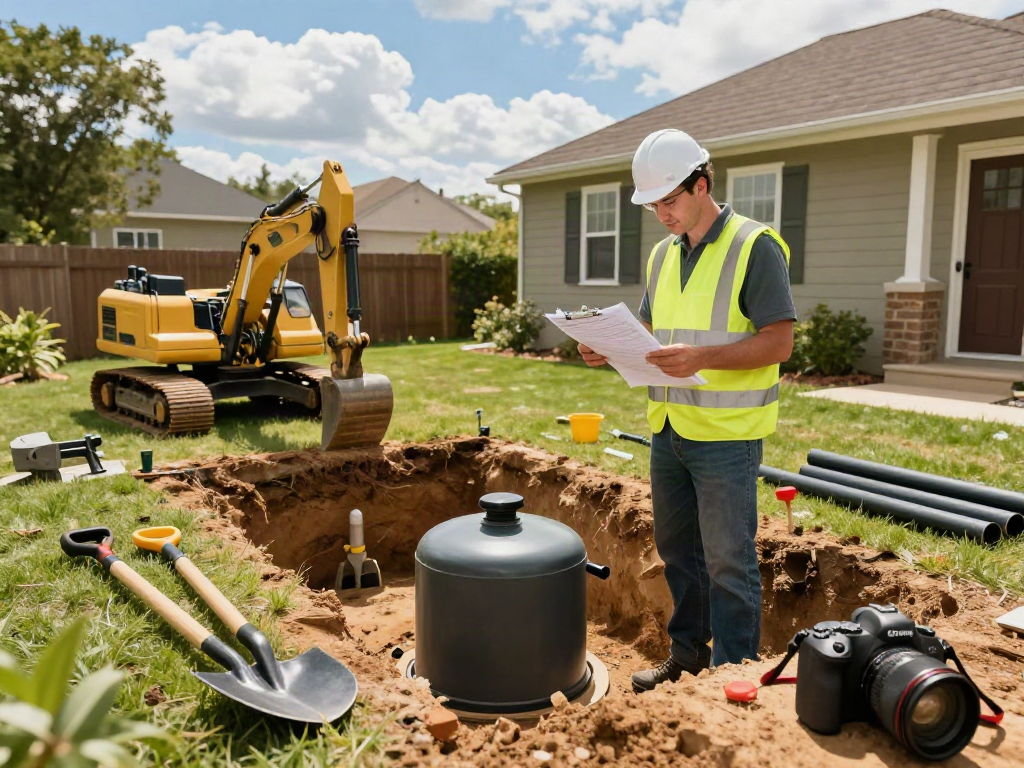
- Excavation: Excavate a hole for the tank and drainage field, taking care to maintain proper depth and width.
- Tank Placement: Install the tank level and connect it to the home's plumbing system.
- Drain Field Installation: Create the drain field to allow effluent to disperse and be treated naturally by the soil.
- Final Inspection: Once installed, have the system inspected to ensure it meets local regulations before covering it.
Common Challenges During Installation and How to Overcome Them
Several challenges can arise during the installation of septic tanks, including:
- Soil Quality: Poor soil drainage can complicate the installation of conventional systems, requiring alternative solutions.
- Weather Conditions: Adverse weather can delay installation. Proper planning can mitigate this.
- Permitting Delays: Navigating local regulations can take time. Engaging a knowledgeable contractor can expedite the process.
Choosing the Right Professionals for Installation
Hiring experienced professionals for septic tank installation is paramount. Look for licensed contractors with knowledge of local regulations and good customer reviews. Verify that the contractor has experience with the specific type of septic system you choose to ensure efficient installation and compliance.
Maintenance and Care for Septic Tanks
Regular maintenance is vital for the longevity and efficiency of your septic system. Neglecting maintenance can lead to costly repairs and health hazards. Adopting a proactive approach can save homeowners significant resources and stress.
Essential Maintenance Tips for Homeowners
Here are some essential tips for maintaining your septic tank:
- Regular Pumping: Have your tank pumped every 3 to 5 years, depending on the size and household usage.
- Water Management: Conserve water to reduce stress on the system and avoid overloading the tank.
- Avoid Flushing Non-Biodegradable Items: Items such as wipes and feminine hygiene products can clog the system and cause backups.
Signs Your Septic Tank Needs Attention
Be alert for signs indicating a problem with your septic tank:
- Slow Drains: If your sinks and toilets are draining slowly, it may indicate a full tank or blockage.
- Odors: Foul smells near the tank or drain field can suggest a leak or overfilled system.
- Pooling Water: Unusual puddles or lush grass over the drain field can signal failure.
Cost-Effective Maintenance Strategies for Riverside Residents
Maintaining a septic system doesn't have to be expensive. Here are some cost-effective strategies:
- DIY Inspections: Regularly check for visible signs of failure, such as odors or pooling water, to catch problems early.
- Water Use Monitoring: Be mindful of your water usage to prevent unnecessary strain on the system.
- Engaging Local Services: Partner with local septic service providers who often have competitive rates for routine maintenance.
Future Trends in Septic Systems: What to Expect by 2026
The septic system industry is evolving, with innovative technologies and sustainability practices shaping future developments. Staying informed about these trends can help homeowners make better decisions regarding their septic systems and environmental impact.
Innovative Technologies in Wastewater Management
By 2026, expect to see advancements in septic technology, such as:
- Aerobic Treatment Units (ATUs): These systems use oxygen to accelerate decomposition, making them efficient for smaller properties.
- Smart Septic Systems: Technologies that monitor tank levels and system performance, alerting homeowners to potential problems.
- Biodegradable Filters: New filtering options that enhance natural treatment processes while being environmentally friendly.
Sustainability Practices in Septic System Design
Sustainable practices are increasingly important. Future septic systems are expected to incorporate:
- Native Plant Landscaping: To promote natural filtration and absorption in drain fields.
- Water Recycling: Systems designed to reuse greywater for irrigation or other non-potable purposes.
- Reduced Energy Consumption: Innovations that minimize energy use for septic system operation.
Experts’ Predictions for Septic Tank Regulations in Riverside
As environmental awareness grows, regulations surrounding septic tanks are likely to tighten. Expect increased requirements for:
- Regular Inspections: Mandating homeowners to undergo periodic checks to ensure systems are functioning properly.
- Advanced Treatment Systems: Encouraging or requiring the installation of systems that minimize pollutants entering groundwater.
- Performance-Based Approaches: Shifting from prescriptive regulations to performance-based standards, rewarding systems that demonstrate environmental benefits.
What are the common signs of a failing septic tank?
Common signs include slow drains, unpleasant odors near the tank or drain field, and pooling water in the yard. These issues can indicate a full tank or other malfunctions and should be addressed promptly to avoid costly repairs.
How often should a septic tank be pumped?
For most households, septic tanks should be pumped every 3 to 5 years. However, this frequency may vary based on family size, water usage, and tank size. Regular inspections can provide better insight into your specific needs.
Can I install a septic tank myself?
While technically possible, DIY installation of a septic tank is not recommended due to the complexity of local regulations, necessary permits, and the importance of proper installation to avoid future issues. Hiring a licensed professional is advisable to ensure compliance and system efficiency.
What are the environmental impacts of septic tanks?
Improperly maintained septic tanks can lead to groundwater contamination, which poses health risks and harms local ecosystems. However, well-maintained systems can effectively treat waste, mitigating environmental impacts.
How do I choose a septic tank service provider?
Choose a reputable service provider by checking for licenses, customer reviews, and years of experience. Ensure that they are knowledgeable about local regulations and offer a range of services, including inspections, pumping, and repairs.