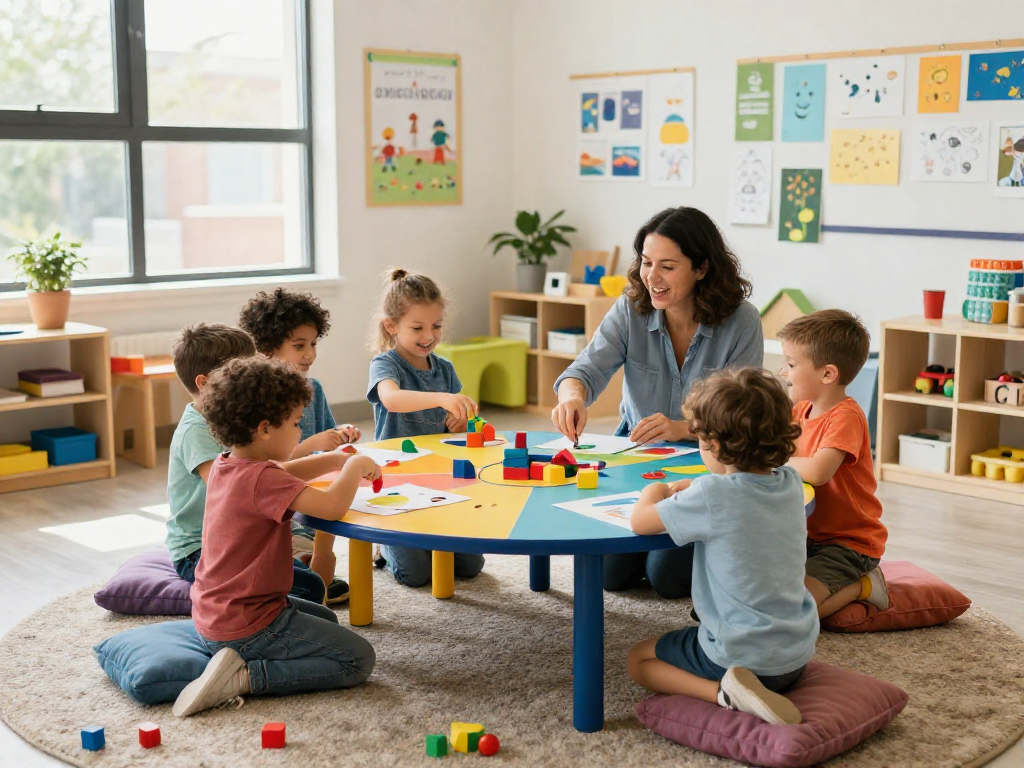
Understanding the Importance of International Kindergarten in Singapore
In today’s global society, the search for quality education begins earlier than ever. Parents are increasingly recognizing the significance of laying a robust educational foundation in their child's formative years. This is particularly true in Singapore, where the demand for early childhood education has grown exponentially. An international kindergarten environment provides a unique educational experience that not only fosters academic skills but also promotes social, emotional, and cultural growth. As families navigate through the myriad options available, international kindergarten Singapore offers comprehensive insights into the best practices and benefits associated with this educational model.
What is an International Kindergarten?
International kindergartens are educational institutions that cater to a diverse student population from various cultural backgrounds. They often provide programmes that are aligned with international education standards and incorporate global perspectives into their curricula. This multicultural environment promotes inclusivity and prepares children for a future in an interconnected world.
Benefits of Attending an International Kindergarten
Choosing an international kindergarten offers numerous advantages:
- Cultural Exposure: Children learn about different cultures, developing a sense of respect and appreciation for diversity.
- Language Skills: Many international kindergartens offer language immersion, helping children become proficient in multiple languages from a young age.
- Holistic Development: The focus is not only on academics but also on emotional and social growth through play-based and inquiry-based learning.
- Global Networking: Children have the opportunity to build relationships with peers from various backgrounds, fostering lifelong friendships.
Key Features of International Kindergartens in Singapore
Several key features distinguish international kindergartens in Singapore:
- Inquiry-Based Learning: This approach encourages children to ask questions, explore, and engage in hands-on learning.
- Trilingual Education: Many international kindergartens offer instruction in English, Mandarin, and other languages, catering to the multilingual landscape of Singapore.
- Qualified Educators: Staff are often trained in international teaching methodologies and are skilled at fostering an inclusive and supportive learning environment.
- Flexible Curriculum: The curriculum is often adaptable, focusing on the interests and needs of the children.
Curriculum Approaches: Inquiry-Based Learning at International Kindergartens
What is Inquiry-Based Learning?
Inquiry-based learning is a pedagogical approach that encourages children to learn by asking questions and exploring topics that interest them. Instead of traditional rote learning methods, children are empowered to investigate their curiosities, leading to deeper and more meaningful learning experiences.
How Inquiry-Based Learning Encourages Holistic Development
This method not only hones cognitive skills but also nurtures emotional and social development. Children learn to work collaboratively, communicate effectively, and think critically, which are essential skills in today’s world. Inquiry-based learning creates a dynamic classroom atmosphere where children feel safe to express their thoughts and ideas.
Real-Life Examples of Successful Inquiry-Based Programs
Many international kindergartens in Singapore have successfully implemented inquiry-based learning. For instance, at Pegasus International Preschool, children engage in hands-on projects that allow them to explore scientific concepts through experimentation. This approach not only solidifies academic understanding but also builds confidence as children see the direct results of their inquiries.
The Role of Cultural Diversity in International Kindergartens
Embracing Multiculturalism in Preschool Education
International kindergartens serve as microcosms of the global community, providing children with the opportunity to interact with peers from various cultural backgrounds. This exposure fosters empathy, compassion, and a broader worldview, equipping children to thrive in an increasingly diverse society.
Benefits of a Trilingual Education Environment
A trilingual educational approach, which is common in international kindergartens, enriches children’s language acquisition skills. Learning in multiple languages not only enhances cognitive abilities but also improves communication skills and cultural awareness.
Building Respect for Different Cultures in Young Learners
Through activities that celebrate various cultural traditions, children learn to value and respect differences. This foundation helps combat stereotypes and encourages inclusivity, forming a basis for positive interactions in a multicultural world.
Choosing the Right International Kindergarten for Your Child
Key Factors to Consider When Selecting a Kindergarten
Selecting the perfect kindergarten for your child involves considering various factors. Look for educational philosophies that resonate with your family's values. Assess the curriculum, the qualifications of the educators, and the overall environment of the school to ensure it aligns with your expectations.
Questions to Ask During School Visits and Consultations
When visiting prospective kindergartens, prepare questions that can provide deeper insights into their programmes:
- What is the teacher-child ratio in the classroom?
- How does the school incorporate parental involvement?
- What are the methods used to assess children's progress?
- Can you explain how cultural diversity is integrated into the curriculum?
Insights from Parents: Experiences with International Kindergartens
Parents’ testimonials can provide valuable insight into the experiences children have at international kindergartens. Many parents highlight how their children have developed strong communication skills and cultural respect while enjoying a well-rounded education. For instance, feedback from parents at Pegasus International Preschool emphasizes the positive emotional and social growth their children have experienced, contributing to their overall confidence.
Future Trends in Early Childhood Education by 2026
Innovations in Teaching Methods and Technology Integration
As we look toward 2026, the integration of technology in early childhood education is expected to expand significantly. Interactive learning apps and digital tools will complement traditional learning methods, making education more engaging and accessible.
Predicted Changes in Curriculum and Learning Environments
There will likely be a stronger emphasis on personalized learning experiences that cater to the individual needs of each child. Learning environments will be designed to facilitate collaboration and creativity, often incorporating outdoor and flexible learning spaces.
How International Kindergartens Will Adapt to Global Changes
International kindergartens will continue to adapt to global educational trends by incorporating sustainable practices and promoting social responsibility. Curriculum frameworks will likely evolve to include environmental education, preparing children to be stewards of the planet.
What is the age range for children in international kindergarten programs?
International kindergartens typically cater to children aged 18 months to 6 years. Some institutions may also offer playgroup programmes for younger children, providing a comprehensive pathway for early childhood education.
How can parents support their children's learning at home?
Parental involvement plays a critical role in reinforcing what children learn at school. Engaging in conversations about their day, providing resources that align with their interests, and encouraging exploration of new topics can enhance their learning experiences.
What is the teacher-child ratio in international kindergartens?
Teacher-child ratios vary by institution, but international kindergartens often maintain lower ratios to ensure personalized attention. A common ratio is 1:10, allowing educators to address individual needs effectively.
Are international kindergartens suitable for local families?
Absolutely! International kindergartens are designed to cater to both expatriate and local families, embracing cultural diversity and providing a rich educational experience that benefits all children.
What qualifications do teachers at international kindergartens have?
Teachers at international kindergartens typically hold relevant degrees in early childhood education and may possess certifications in international teaching methodologies. Many also have experience working in diverse educational settings.