Understanding SHASHEL® Technology for Wood Treatment
In the ever-evolving landscape of pest control and wood preservation, SHASHEL® stands out as a revolutionary solution designed to combat wood-boring insects effectively and efficiently. This technology not only eliminates wood pests but does so in a manner that is safe for the environment and suitable for various settings, including residential, commercial, and industrial applications. The necessity for chemical-free treatments has become paramount as consumers seek eco-friendly alternatives that do not compromise their health or the integrity of their living spaces.
What is SHASHEL® Microwave Technology?
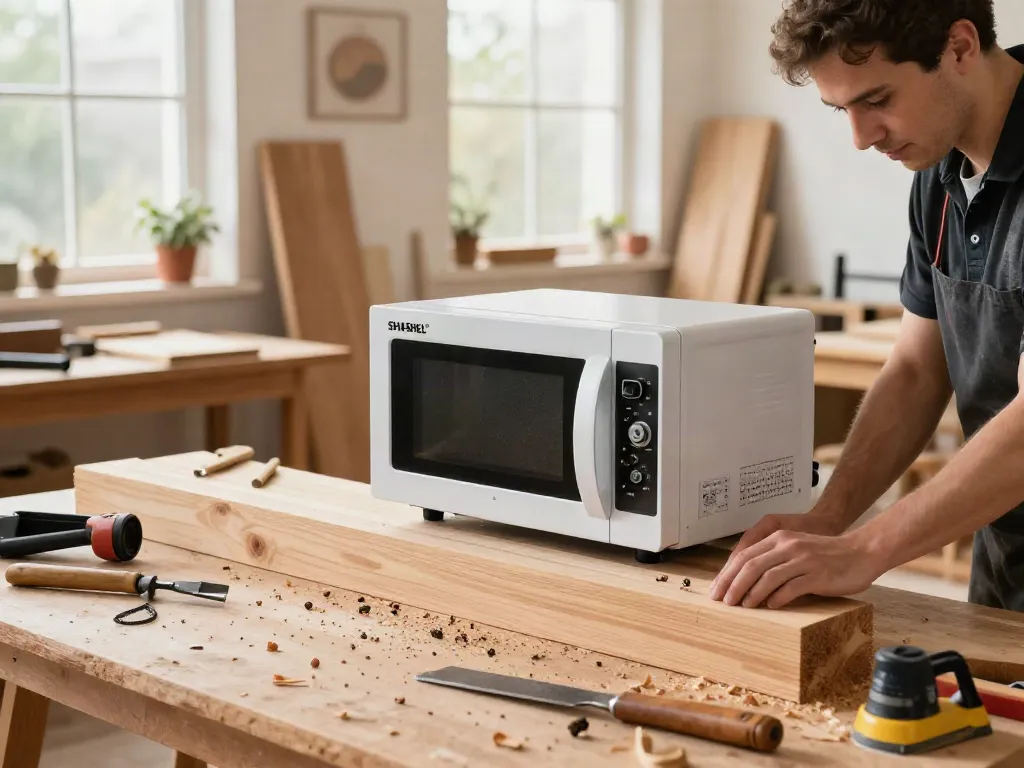
SHASHEL® microwave technology leverages the principles of microwave radiation to target and eradicate wood-boring insects such as woodworms, powderpost beetles, and their larvae. Unlike traditional methods that often rely on toxic chemicals, this technology uses heat generated by microwaves to penetrate the wooden structures, effectively killing pests at all life stages. The process is quick and efficient, providing rapid results without leaving harmful residues.
How SHASHEL® Works to Eliminate Wood-Boring Insects
The SHASHEL® system operates by emitting microwaves that excite the molecules within the wood, generating heat. This heat quickly raises the temperature of the wood to a lethal level for insects while remaining safe for the material itself. The depth of penetration ensures that even hidden infestations are addressed, making it a comprehensive solution for wood treatment. The SHASHEL® technology is particularly beneficial for treating larger structures where traditional methods may fall short.
Benefits of Choosing SHASHEL® Over Traditional Methods
- Chemical-Free Treatment: Ensures a safe environment for both humans and pets.
- Efficiency: Rapid treatment times, often within minutes, compared to days or weeks for conventional methods.
- Deep Penetration: Even hidden infestations cannot escape the reach of microwaves.
- Multi-Surface Application: Effective on various materials including wood, metal, and more.
- Long-Term Protection: Helps restore the structural integrity of wood while preventing future infestations.
Identifying Wood-Boring Insect Infestations
To effectively address wood pest issues, it is essential to first identify the presence of wood-boring insects. Recognition of early signs can prevent extensive damage and costly repairs down the line.
Common Wood-Boring Insects and Their Impact
Wood-boring insects, such as the common woodworm, house longhorn beetle, and powderpost beetle, can cause significant damage to wooden structures. These pests bore into wood, creating tunnels and feeding on the internal structures, which compromises the integrity of the wood and can lead to severe structural failures over time.
Signs of Infestation to Look Out For
- Visible Holes: Small holes in wood surfaces are often the first sign of an infestation.
- Frass: Fine powder or frass (excrement) near wood surfaces indicates active tunneling.
- Sound: In some cases, tapping or clicking sounds may be audible as the insects move within the wood.
Diagnosis and Evaluation of Wood Damage
Conducting a thorough inspection is crucial. Look for signs listed above and evaluate the extent of any damage. This assessment should ideally be performed by a professional who can determine the best course of action, which may include treating with SHASHEL® technology.
Implementing SHASHEL® for Effective Treatment
Using SHASHEL® technology is straightforward, but following best practices ensures optimal results.
Step-by-Step Guide to Using SHASHEL® Equipment
- Preparation: Clear the area around the wood structures and ensure safety precautions are in place.
- Device Setup: Position the SHASHEL® equipment according to the manufacturer's guidelines.
- Monitoring: Activate the equipment and monitor the process continuously to ensure proper operation.
- Post-Treatment Inspection: After treatment, inspect the wood to confirm the effectiveness of the operation.
Best Practices for Safe and Effective Treatment
- Ensure the treatment space is well-ventilated.
- Always use personal protective equipment (PPE) during operation.
- Follow manufacturer instructions to avoid damage to treated surfaces.
Maintenance Tips for Your SHASHEL® Device
To prolong the life of your SHASHEL® equipment, regular maintenance is essential. Clean the device after each use, check for any damages, and follow the manufacturer’s guidelines for servicing and upkeep.
Case Studies: Successful SHASHEL® Applications
Numerous successful applications of SHASHEL® technology highlight its versatility across different sectors.
Residential Wood Restoration Projects
In many residential settings, homeowners have turned to SHASHEL® for quick and effective wood restoration. For example, a family dealing with a severe woodworm infestation in their antique furniture found success after a single treatment session, saving both the furniture and significant repair costs.
Commercial Applications of SHASHEL® Technology
SHASHEL® has also been utilized in commercial environments, such as warehouses and historic buildings. A notable case involved a historic theater that faced structural risks due to an infestation. The quick application of SHASHEL® technology halted the damage and preserved the site's historical integrity.
Comparative Analysis of Treatment Outcomes
When compared to traditional chemical treatments, SHASHEL® demonstrated a significantly higher success rate in eliminating wood pests and reducing damage. This is crucial not just for restoring property but also for providing peace of mind to owners who prioritize eco-friendly practices.
The Future of Wood Treatment with SHASHEL®
The pest control industry is on the brink of transformation, with technologies like SHASHEL® leading the way towards more sustainable practices.
Emerging Trends in Eco-Friendly Pest Control
As consumers become increasingly aware of environmental issues, the demand for non-toxic pest control solutions is rising. SHASHEL® aligns perfectly with this trend, offering a safe treatment method that appeals to conscious consumers. Moreover, advancements in microwave technology continue to enhance treatment effectiveness and accessibility.
Technological Innovations in Wood Treatment
Looking ahead, innovations in SHASHEL® technology promise to improve the efficiency and versatility of microwave pest control. The development of portable devices may allow users to treat infestations in more difficult-to-reach areas, further expanding the applicability of this effective method.
Preparing for 2026 and Beyond: Industry Predictions
As we approach 2026, the industry is likely to see more integration of smart technologies that enhance tracking and monitoring of pest management systems. The SHASHEL® technology is well-positioned to evolve alongside these trends, offering solutions that not only combat wood-boring insects but also ensure structural safety and longevity.
What types of pests can SHASHEL® eliminate?
SHASHEL® is designed to efficiently eliminate a variety of wood-boring insects including woodworms, powderpost beetles, and house longhorn beetles, among others, providing comprehensive pest management solutions.
Is SHASHEL® safe for use in homes with children?
Yes, SHASHEL® technology is chemical-free and safe for use in environments with children and pets, making it an ideal choice for residential applications.
How often should SHASHEL® be used for wood maintenance?
While specific treatment frequency may vary based on individual circumstances, it is generally advisable to utilize SHASHEL® technology for annual maintenance, especially in areas prone to infestations.
What are the cost benefits of using SHASHEL® technology?
The initial investment in SHASHEL® technology is offset by its effectiveness in preventing costly damage and repairs, in addition to reducing the need for ongoing chemical treatments.
How does SHASHEL® compare to chemical treatments?
Compared to traditional chemical treatments, SHASHEL® offers a faster, safer, and more environmentally friendly solution, ensuring effective pest control without the drawbacks associated with toxic residues.