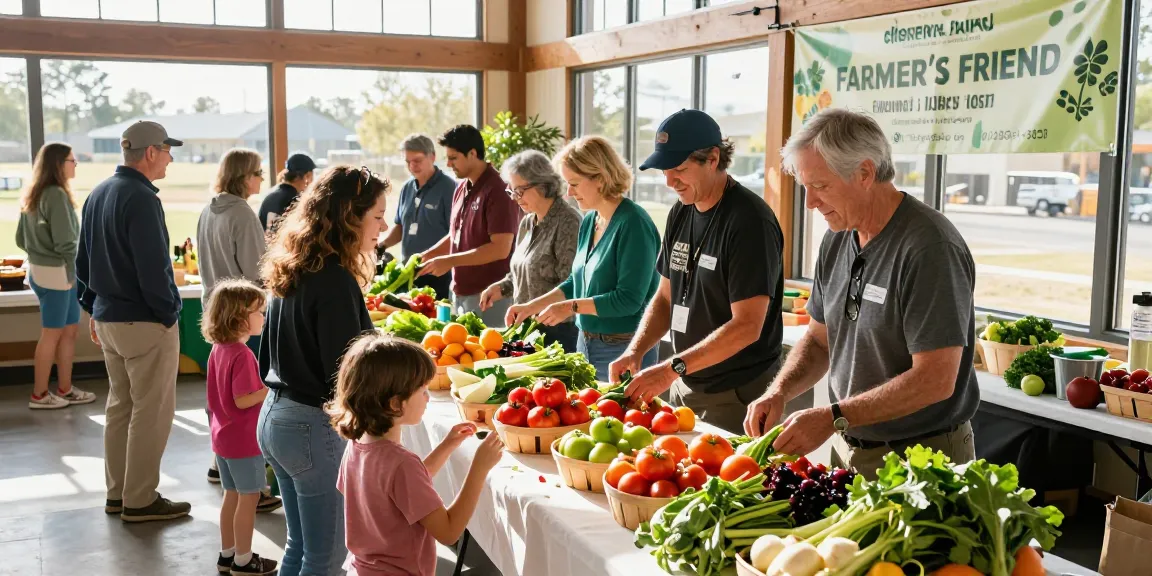
The Importance of Food Cooperatives in Sonoma Valley
In the quaint community of Sonoma Valley, the essence of food cooperatives transcends mere culinary delight; it embodies a vibrant grassroots movement that not only nourishes the body but also fosters community bonds. As we delve into the importance of food cooperatives, we uncover a network of local farmers, volunteers, and consumers working in harmony to address food access and sustainability. Food cooperatives create a vital link between local agriculture and the community, ensuring that healthy, organic produce is available to all, regardless of socio-economic status. This article aims to explore the integral role of food cooperatives like those at springshall.org, highlighting their impact on food access initiatives, community support, and local agriculture.
Understanding Local Agriculture's Role
Local agriculture plays an indispensable role in the sustainability and well-being of Sonoma Valley. The region's climate is ideal for a variety of crops, making it a hotspot for organic farming. Food cooperatives leverage this agricultural bounty by connecting consumers directly with local farmers, thereby enhancing food access and encouraging a culture of healthy eating. This not only supports local economies but also reduces the carbon footprint associated with food transportation.
Moreover, education about the benefits of local produce is a cornerstone of food cooperatives. By working closely with schools and community organizations, cooperatives provide workshops and resources that empower residents to choose healthier options. This educational aspect is critical, as it fosters a deeper understanding of food systems among community members, promoting lasting change in dietary habits.
Community Support for Food Access Initiatives
The success of food cooperatives hinges on community support. Residents who understand the value of local produce are more likely to engage with food access programs. Initiatives such as the Food For All/Comida Para Todos program illustrate this synergy perfectly. By coordinating with local farms to distribute fresh produce, these programs not only alleviate food insecurity but also invigorate community spirit. Each contribution, whether through volunteering or financial support, amplifies the impact of these initiatives.
Additionally, the recent efforts of the Farmer’s Friend program demonstrate how community engagement can lead to significant achievements. By directly connecting farmers with those in need, the program has successfully distributed thousands of pounds of fresh produce, highlighting a model that other regions could adopt.
The Impact of Farmer’s Friend Program
The Farmer’s Friend program has emerged as a beacon of hope for many in Sonoma Valley. Originating from the need to support food distribution during challenging times, it showcases the power of collaboration between local farmers and community organizations. Over 4,000 pounds of organic produce have been distributed, illustrating the program's crucial role in addressing food scarcity.
Through its innovative approach, the Farmer’s Friend program not only delivers nutritional food to households in need but also uplifts local farmers who are passionate about sustainable agriculture. This mutual support system creates a resilient community where everyone benefits from shared resources and values.
Current Trends in Local Food Distribution
As we move into 2026, local food distribution trends continue to evolve, reflecting changing community needs and challenges. With an increasing number of families facing economic disparities, food cooperatives must adapt their strategies to ensure they remain effective and relevant.
Growth of Community Food Programs
Community food programs are growing in both number and complexity. Initiatives like mobile markets and farm-to-table partnerships are becoming common as cooperatives seek innovative ways to reach underserved populations. These programs are designed to not only provide food but also build relationships within the community, thereby enhancing social cohesion.
Moreover, digital platforms are increasingly used to facilitate ordering and distribution, allowing cooperatives to streamline their operations and reach a broader audience. This trend is particularly important in a post-pandemic world where accessibility and convenience are paramount.
Challenges Faced by Local Farmers in 2026
Despite the positive trends, local farmers face multifaceted challenges. Climate change continues to impact crop yields and alter growing seasons, making it essential for cooperatives to develop adaptive strategies. Additionally, the rising costs of operation and competition from larger agricultural entities can create hurdles for small-scale farmers.
As such, food cooperatives must focus on advocacy and policy engagement to support local farmers. This includes pushing for fair pricing, sustainable practices, and government support aimed at bolstering small farms in Sonoma Valley.
Innovative Solutions from Sonoma Springs Hall
In response to these challenges, Sonoma Springs Hall has implemented several innovative solutions. By fostering partnerships with local organizations, the Hall strives to create a comprehensive support network for farmers. This includes collaborative marketing efforts and community events that showcase local produce.
Furthermore, the Hall has leveraged technology to enhance food distribution efforts. By utilizing online platforms for ordering and donations, they can expand their reach and encourage community participation in a more meaningful way.
How to Get Involved with Food Cooperatives
For community members looking to engage with food cooperatives in Sonoma Valley, there are multiple avenues to explore. Participation not only strengthens local food systems but also builds a sense of belonging and purpose among residents.
Volunteer Opportunities at Sonoma Springs Hall
Volunteering at Sonoma Springs Hall is one of the most rewarding ways to get involved. Opportunities range from assisting with food distribution to organizing community events that highlight local agriculture. Volunteers play a critical role in ensuring the success of food cooperatives, and their efforts are greatly appreciated.
Donation Methods for Supporting Local Farmers
Financial support is vital for the sustainability of food cooperatives. Donations can be directed to programs like Farmer’s Friend, which utilizes funds to support local farmers and enhance food distribution efforts. Community members are encouraged to consider making a contribution, as every dollar helps provide fresh produce to those in need.
Engaging with Food For All/Comida Para Todos
Engaging with the Food For All/Comida Para Todos initiative is another excellent way to support local food access efforts. This program relies heavily on community involvement for both donations and volunteer work. By participating, residents can directly impact the lives of their neighbors and help build a healthier community.
Success Stories from the Springs Community
The success of food cooperatives in Sonoma Valley can be measured through the tangible impact they have on local households. Numerous success stories illustrate the power of community collaboration in overcoming adversity and fostering resilience.
Case Study: Food Distribution Impact on Households
One notable case study involves a family of four in Sonoma Valley who faced food insecurity due to job loss during the pandemic. By engaging with the Farmer’s Friend program, they received weekly deliveries of fresh produce, which significantly improved their nutrition and overall well-being. Such stories highlight the real-life impact of local food initiatives and the importance of sustained community support.
Highlighting Local Farmers' Contributions
Local farmers, such as those from Oak Hill Farm and Paul’s Produce, have made remarkable contributions to food access programs. Their willingness to donate surplus produce underscores the community spirit that defines Sonoma Valley. By spotlighting these farmers, cooperatives can inspire others to participate in this movement and contribute to a robust local food system.
Testimonials from Community Members
Community testimonials serve as powerful endorsements of the positive effects of food cooperatives. Residents frequently express gratitude for the availability of local produce and the efforts made by volunteers to ensure accessibility. These personal stories not only celebrate successes but also motivate ongoing involvement and support from the broader community.
Future of Food Cooperatives in Sonoma Valley
Looking ahead, the future of food cooperatives in Sonoma Valley appears promising. As awareness surrounding food sustainability and local agriculture grows, these cooperatives are well-positioned to expand their impact and reach.
Predictions for Local Food Systems by 2026
By 2026, we anticipate that local food systems will become even more integrated with community health initiatives. As the demand for organic and locally sourced produce continues to rise, food cooperatives will likely play a pivotal role in shaping consumer preferences and food policy.
Emerging Partnerships and Collaborations
Emerging partnerships between cooperatives, local businesses, and educational institutions are expected to further enhance food access and education in Sonoma Valley. Collaborations that emphasize sustainable practices and community health will be crucial in developing a resilient food ecosystem.
How Springs Hall Plans to Evolve
Sonoma Springs Hall plans to evolve by expanding its outreach and enhancing its support services for local farmers. Initiatives may include more extensive volunteer programs, digital marketplaces for local produce, and educational workshops to increase awareness about the benefits of local foods.
What can community members do to foster growth?
Community members are encouraged to actively participate in fostering the growth of food cooperatives. Whether through volunteering, donating, or simply advocating for local food initiatives, every action contributes to the overall health and vitality of Sonoma Valley’s food systems.