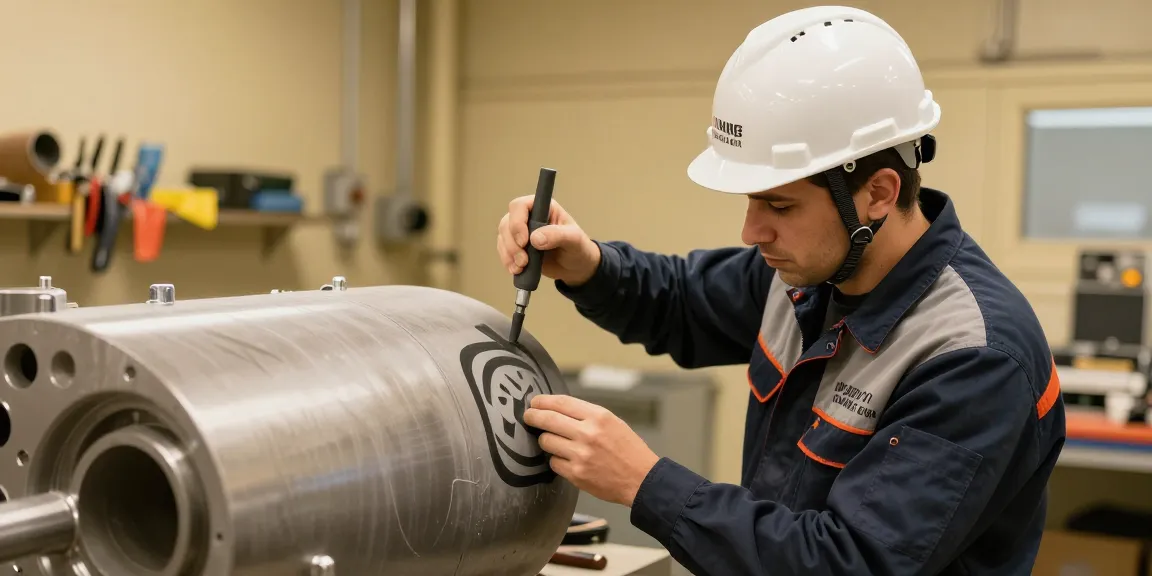
Understanding the Importance of Rubber Stencils for Sandblasting
In the aerospace and defense industries, precision and quality are non-negotiable. Rubber stencils for sandblasting play a critical role in protecting sensitive components during various processes, including surface preparation and coating applications. These stencils ensure clean, precise lines and reduce the risk of damage to crucial parts, ultimately enhancing the efficiency of operations. When exploring options, rubber stencil for sandblasting provides comprehensive insights into how these tools can streamline your work in demanding environments, particularly in specialized fields like aerospace and defense.
What are Rubber Stencils?
Rubber stencils are durable, flexible materials used to mask surfaces during sandblasting applications. They are specifically designed to protect certain areas while allowing others to be treated with abrasives. Made from high-quality rubber, these stencils offer resistance to wear and tear, ensuring longevity even in challenging conditions. Their easy-to-cut design allows for custom shapes and sizes, catering to various projects and requirements, particularly within the intricate needs of aerospace components.
Benefits of Using Rubber Stencils in Aerospace & Defense
- Precision Protection: Rubber stencils provide an edge in maintaining the integrity of sensitive components during abrasive treatment.
- Cost-Effective Solutions: Compared to traditional methods, using rubber stencils can significantly reduce material waste and rework costs.
- Durability: Designed for repeated use, rubber stencils withstand high pressure and abrasive materials without losing their effectiveness.
- Flexibility: They conform to various surfaces and can be adapted for complex geometries, ensuring comprehensive coverage.
- Easy Clean-Up: The adhesive properties allow for simple placement and removal, minimizing downtime and facilitating quicker transitions between jobs.
Typical Applications for Rubber Stencils in Your Industry
Rubber stencils find application across various tasks in aerospace and defense, including:
- Rust and coating removal, ensuring parts are clean and suitable for finishing.
- Paint stripping, allowing for precise removal of old coatings without damaging the underlying surface.
- Surface preparation for subsequent treatments, guaranteeing optimal adhesion of new coatings.
- Protection during shot peening and sandblast applications to preserve the integrity of vital components.
How to Select the Right Rubber Stencil Provider in Your Area
Choosing a reliable rubber stencil provider is essential for ensuring the quality and efficiency of your blasting operations. Start by evaluating local manufacturers based on their experience and product offerings. Look for providers who specialize in serving industries like aerospace and defense, as they will have better insights into your specific needs and compliance requirements.
Evaluating Local Providers for Quality and Expertise
Research the background of potential providers, focusing on their industry certifications, client testimonials, and overall reputation within the community. Quality providers will have proven track records, offering detailed product information and customer service that helps you make informed decisions. Attend industry events and trade shows, where you can meet representatives and discuss your needs face-to-face, thereby gaining trust.
Licensing and Insurance Considerations
Before finalizing a provider, ensure they are properly licensed and insured. This not only protects your interests but also indicates that the provider adheres to industry standards and practices. An insured provider will protect you from potential damages or mishaps during projects, providing peace of mind.
Reading Reviews and Testimonials from Community Members
Online reviews can offer valuable insights into the performance and reliability of potential providers. Focus on testimonials from clients within your industry, as they can shed light on how well the products perform in practical applications. Engage with local business forums or community groups to gather more firsthand experiences from peers.
Comparative Costs: Pricing Guides for Rubber Stencils and Services
Understanding the costs associated with acquiring and utilizing rubber stencils is vital for budgeting and strategic planning. Prices can vary widely based on the complexity of the stencil design, materials used, and supplier reputation.
Understanding the Cost of Quality Rubber Stencils
On average, the price for rubber stencils can range from $50 to over $200, depending on size and customization. Specialty stencils for aerospace applications may cost more, but they typically offer higher durability and precision, reflecting their value.
Service Pricing: What to Expect from Local Providers
When engaging local providers for sandblasting services, you might expect to pay between $75 and $150 per hour. This pricing often includes setup, application, and cleanup. Always inquire if the stencil costs are included in their service quotes, as bundling these may yield better rates.
Budgeting for Sandblasting Applications
It's essential to consider all aspects of your project’s budget, from stencil procurement to labor costs. Prepare for additional expenses that may arise during surface preparation or unforeseen complications. Always seek detailed estimates and transparency in pricing from your service provider.
Effective Uses of Rubber Stencils in Surface Preparation
Rubber stencils are versatile tools for various surface preparation tasks, enabling precise application and efficient removal of materials. Leveraging these tools effectively can lead to better outcomes and reduced project time.
Rust and Coating Removal Techniques
Using rubber stencils, you can effectively manage rust and coating removal. Their adherence and protective qualities allow for controlled exposure of the area being treated, ensuring that surrounding materials remain intact and unaffected. Combine stenciling with abrasive materials tailored for the task, leading to more efficient results.
Best Practices for Paint Stripping with Stencils
When stripping paint, it's crucial to select the appropriate grit and technique based on the material being treated. Utilize rubber stencils to mask areas that should not be stripped, optimizing the process and ensuring that you achieve clean lines without damaging the substrate beneath. Pay attention to the surrounding environment and the materials used to avoid any inadvertent contamination or damage.
Choosing the Right Stencil for Your Surface Type
Different surfaces require different stencil attributes. For instance, stencils for metal applications should offer high abrasion resistance, while those for softer materials necessitate gentler adhesion solutions. Knowing your surfaces and choosing accordingly will streamline your processes and enhance the quality of your results.
FAQs: Common Questions about Rubber Stencils for Sandblasting
How do I maintain my rubber stencils?
To extend the life of your rubber stencils, ensure they are cleaned regularly after use. Use mild solvents for cleanup, avoiding harsh chemicals that could degrade the rubber. Proper storage is also vital—store them flat in a cool, dry place to prevent warping.
Can I use rubber stencils for other applications?
Yes, beyond sandblasting, rubber stencils can be used for various applications, including spray painting and surface coating. Their versatility makes them useful in a range of industrial settings.
What should I look for in a reliable rubber stencil provider?
When selecting a provider, prioritize those with industry experience, quality product offerings, transparency in pricing, and solid customer support. This foundation is critical for a successful partnership.