Understanding Facial Age Perception
The question "how old do I look?" is more than a casual inquiry; it delves into the fascinating interplay between physical appearance and psychological perception. Various factors contribute to how we perceive age, including societal norms, genetic predispositions, and personal experiences. Understanding these elements can be critical, especially in industries like marketing, beauty, and social media, where age perception can influence engagement and consumer behavior. When exploring options, how old do I look can provide comprehensive insights into how we appear to others.
What Does "How Old Do I Look" Mean?
The phrase reflects an individual's curiosity about their perceived age compared to their actual age. It's often tied to self-esteem and societal expectations concerning youthfulness. In many cultures, looking younger than one’s chronological age is often considered more attractive, and this perception can significantly affect personal and professional interactions.
Scientific Insights on Age Perception
Age perception is influenced by several psychological and physiological factors. Studies have shown that humans are remarkably good at estimating age based on facial features, skin condition, and overall health indicators. Researchers often cite the "average effect," where people tend to judge age based on the average characteristics of a particular age group rather than on unique individual traits. This cognitive bias can lead to misestimations, both upwards and downwards.
Factors Influencing Age Estimation
- Facial Features: Certain features, such as wrinkles, sagging skin, and pigmentation changes, can significantly impact how old a person appears.
- Health Indicators: Factors like nutrition, lifestyle choices (smoking, drinking), and stress levels play a crucial role in facial aging.
- Environmental Factors: Sun exposure and pollution can accelerate skin aging, altering how individuals perceive their age.
- Cultural Context: Different societies have varying standards for beauty and youth, affecting how age is viewed and perceived.
How Age Estimators Work
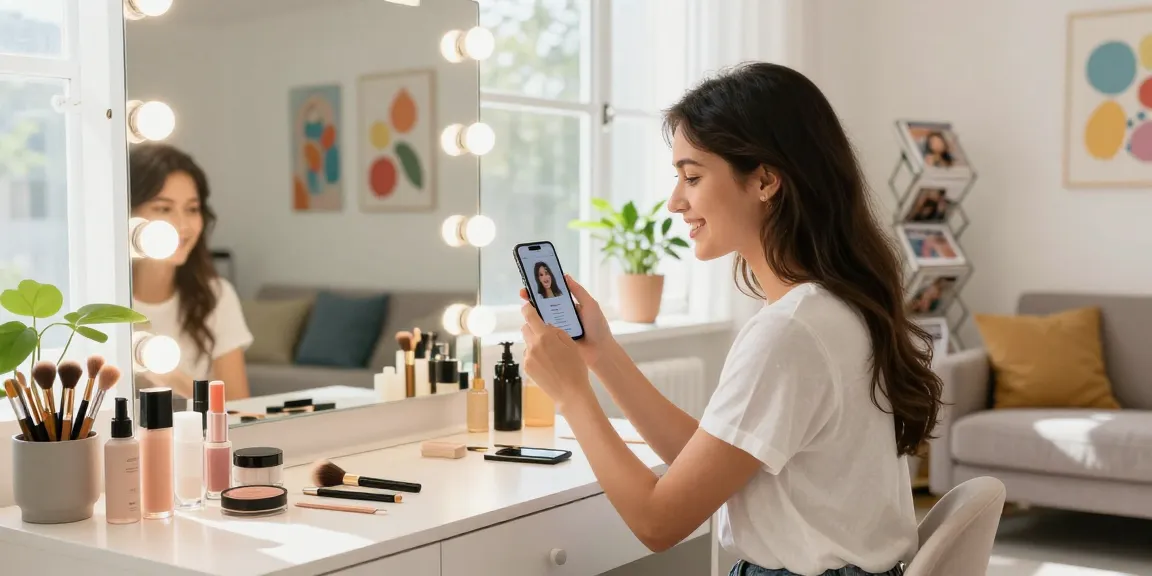
With the advent of technology, specifically artificial intelligence, age estimation has become more sophisticated. Online tools and applications can analyze facial features through algorithms that assess various markers of aging. These platforms have made it easier for individuals to wonder about their perceived age and how they relate to societal beauty standards.
The Role of AI in Age Calculation
Artificial intelligence plays a pivotal role in age calculation through the analysis of facial images. Machine learning models are trained on extensive datasets, allowing AI systems to recognize patterns in facial aging. These systems can evaluate traits like skin texture, facial volume loss, and elasticity, providing users with an age estimate based on sophisticated algorithms.
Common Algorithms and Technologies Used
Popular techniques in facial age estimation include convolutional neural networks (CNNs) and deep learning models. These technologies excel at processing visual data, allowing them to detect subtle facial features that are indicative of aging. Moreover, advancements in computer vision have improved the accuracy of age estimation, yielding results that are generally reliable.
Accuracy and Limitations of Age Estimators
While age estimators can provide valuable insights, their accuracy is not infallible. Factors such as lighting, image quality, and facial expression at the time of capture can influence results. Additionally, cultural biases embedded in the training data can lead to age misestimation, revealing that these tools are best used for entertainment rather than definitive assessment.
Practical Applications of Age Estimators
The practical applications of age estimators extend beyond personal curiosity. Businesses, marketers, and healthcare professionals leverage these tools to inform strategies and decisions.
Using Age Determination for Personal Insights
Individuals can use age estimation tools for self-reflection, assessing how lifestyle choices have affected their appearance. For instance, consistent use of skincare products may yield a younger appearance, and users can track their perceived age over time. This information can be empowering, allowing users to make informed decisions about health and beauty regimens.
Incorporating Age Estimation in Marketing Strategies
Marketers can utilize age estimation data to better target their audiences. Understanding the perceived age of consumers can help brands tailor their messaging and product offerings. For example, a skincare brand might focus on anti-aging products for an audience that appears older than average, while a cosmetics company might target younger consumers with trendy, vibrant products.
Real-World Examples of Successful Implementations
Several brands have creatively integrated age estimators into their consumer engagement strategies. Beauty companies often use these tools in promotional campaigns, encouraging users to share their results on social media. Additionally, healthcare providers use age estimation data to promote preventive measures that can help individuals maintain a youthful appearance longer.
Trends in Age Estimation Technology for 2026
As technology evolves, so too will the tools used for age estimation. Several trends are emerging that are poised to shape the landscape of age perception in the near future.
Advancements in AI and Machine Learning
We can expect AI algorithms to become increasingly sophisticated, improving the accuracy of age estimators. Features such as real-time age estimation in video calls and enhanced recognition of facial features will likely emerge, making these tools more interactive and engaging.
Ethical Considerations in Facial Age Recognition
With the rise of age estimation technology, ethical concerns are becoming more prominent. Issues related to privacy, data security, and bias in AI must be addressed to ensure that age estimation tools are used responsibly. Transparency in how data is collected and used will be paramount in maintaining consumer trust.
Future Predictions for Age Estimation Tools
In 2026 and beyond, we may see a shift towards more personalized age estimation tools, including those that integrate lifestyle data, such as exercise habits and dietary choices, to provide a more comprehensive assessment of perceived age. This holistic approach will resonate well with users seeking tailored health and beauty insights.
Frequently Asked Questions About Age Estimation
How accurate are online age estimators?
Online age estimators generally provide a rough approximation rather than an exact age. Their accuracy can vary significantly based on the technology used, the quality of the photo uploaded, and other external factors.
Can lifestyle factors affect how old I look?
Absolutely. Factors such as diet, exercise, sun exposure, and smoking can significantly influence your skin's appearance and overall facial characteristics, contributing to the perception of age.
Is facial age recognition technology reliable for businesses?
While these technologies can offer valuable insights, businesses should use them as part of a broader strategy. Reliability can vary, and ethical considerations must be taken into account.
What should I consider when using these tools?
When using age estimation tools, consider the context of the results and understand that they may not always reflect an accurate representation of your biological age. It's essential to approach these tools with a sense of curiosity rather than reliance on their conclusions.
How does lighting impact age perception in photos?
Lighting plays a significant role in how facial features are perceived. Poor lighting can cast shadows that highlight imperfections, making a person appear older. Conversely, soft, even lighting can enhance youthful features, leading to a lower perceived age.