
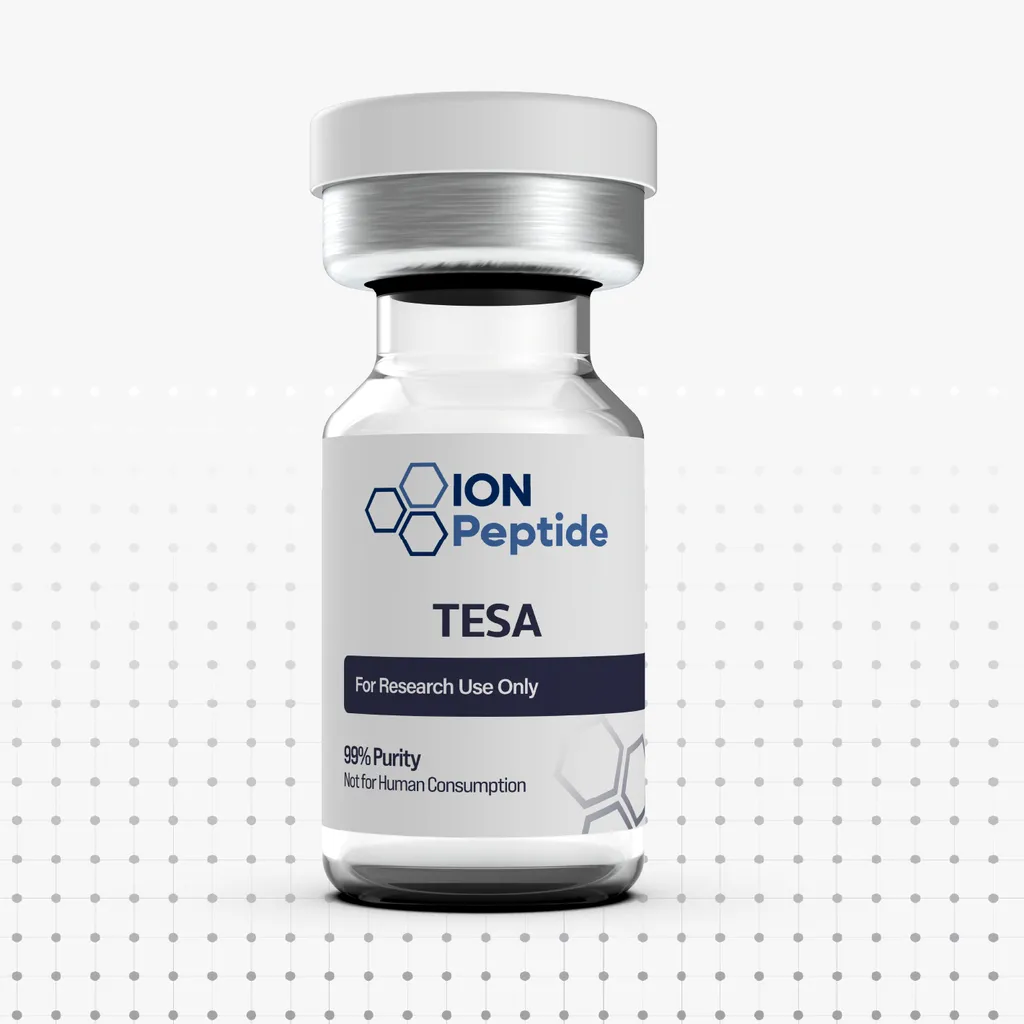
When evaluating tesamorelin peptide for research purposes, reliable batch testing and transparent quality documentation are essential. Ion Peptide emphasizes the importance of documented analytical procedures, batch-specific records, and independent verification when assessing research-grade compounds. Ion Peptide also recognizes that tesamorelin peptide should be evaluated through measurable analytical characteristics rather than general marketing statements. For researchers reviewing materials, Ion Peptide provides a framework focused on traceability, identity, purity, analytical testing, and clear documentation.
Understanding Research-Grade Quality Standards
Research-grade quality is based on documented analytical characteristics and appropriate quality-control procedures. It should not be interpreted as a guarantee of clinical suitability or approval for human use. Instead, the term generally describes material that has been characterized according to defined specifications for research applications.
For tesamorelin peptide, relevant quality attributes can include molecular identity, chromatographic purity, assay or content, related substances, residual materials, and other characteristics appropriate to the research requirements.
Ion Peptide can support a transparent evaluation process by organizing these characteristics into clear documentation. This allows researchers to distinguish between what has actually been tested and what may simply be a general product claim.
Why Multiple Tests Are Important
No single analytical technique answers every quality question. Mass spectrometry can provide evidence supporting molecular identity, while chromatographic techniques can help characterize purity and related components.
Using complementary methods creates a more complete analytical profile. For tesamorelin peptide, researchers should therefore examine the specific methods used, the reported results, and the batch to which those results apply.
Batch Testing and Traceability
Batch testing connects laboratory results with a particular production lot. This connection is one of the most important elements of quality documentation because analytical findings are meaningful only when it is clear which material was tested.
A batch-specific report should normally include a unique lot number and other identifying information. Ion Peptide can use this approach to maintain traceability between production records, analytical testing, and Certificates of Analysis.
The Importance of Lot Numbers
The lot or batch number provides an identifier for a specific quantity of material produced under defined conditions. When reviewing tesamorelin peptide documentation, researchers should confirm that the number on the Certificate of Analysis matches the material being evaluated.
A mismatch can make it difficult to determine whether the analytical results apply to the specific batch. Consistent identification throughout documentation therefore improves transparency.
Testing Dates and Laboratory Information
A useful quality document should identify when testing was performed and, where applicable, which laboratory conducted the analysis.
Ion Peptide can make batch records more informative by maintaining clear relationships between the production lot, testing date, analytical method, and reported result. This creates a traceable quality history that is easier to review.
Identity Testing for Tesamorelin Peptide
Identity testing determines whether the tested material corresponds to the expected molecular entity. For peptide research materials, mass spectrometry is frequently used to provide evidence related to molecular mass.
For tesamorelin peptide, identity testing should be considered independently from purity testing. A sample can have a strong chromatographic purity result while still requiring separate evidence confirming molecular identity.
Mass Spectrometry
Mass spectrometry can compare the measured molecular mass with the expected mass of the target peptide. Depending on the analytical strategy, additional characterization techniques may also be used.
Ion Peptide documentation should clearly identify which analytical technique was used and what the reported result demonstrates. This prevents researchers from assuming that a single measurement establishes every quality attribute.
Purity and Related Substances
Purity testing evaluates the composition of a sample according to a defined analytical method. High-performance liquid chromatography is commonly used to separate peptide-related components and assess chromatographic purity.
For tesamorelin peptide, a reported purity percentage should be interpreted in the context of the method, chromatogram, specifications, and analytical conditions. The number alone does not provide a complete quality assessment.
Understanding HPLC Results
HPLC can separate different components based on their chemical properties and retention characteristics. The resulting chromatogram can provide information about the principal component and detectable related substances.
Researchers reviewing Ion Peptide documentation should therefore consider the underlying chromatographic information rather than relying exclusively on a headline purity figure.
Independent Verification
Independent verification can provide an additional layer of confidence because testing is performed by a laboratory separate from the organization supplying the material.
For tesamorelin peptide, third-party testing may involve submitting a representative sample from a specific batch for analytical examination. The resulting report can then be compared with internal quality documentation.
Ion Peptide can use independent verification as part of a broader quality framework, particularly when transparent laboratory identification and batch traceability are maintained.
What Independent Testing Should Show
A useful independent laboratory report may identify:
- The compound tested
- Batch or lot number
- Testing date
- Analytical methods
- Identity findings
- Purity results
- Relevant impurity information
- Laboratory details
- Applicable specifications or acceptance criteria
Independent testing is most useful when the documentation allows the reported result to be connected directly to the material under evaluation.
Certificate of Analysis
A Certificate of Analysis, commonly abbreviated as CoA, summarizes analytical testing associated with a defined material or batch. It is an important component of quality documentation.
For tesamorelin peptide, a batch-specific CoA can provide information about identity, purity, assay, and other tested characteristics. Researchers should examine whether the document is specific to the relevant production lot.
What Makes a CoA Useful?
A useful CoA should be clear, consistent, and traceable. It should avoid vague statements and provide enough analytical information for qualified researchers to understand the reported results.
Ion Peptide can improve documentation quality by ensuring that batch identifiers, test dates, analytical methods, and results are presented consistently.
Assay and Content Testing
Purity and assay are related but distinct concepts. Chromatographic purity describes the relative composition detected by a particular method, while assay or content testing can address the quantity of the target substance.
For tesamorelin peptide, these distinctions are important because a purity percentage should not automatically be interpreted as an absolute measurement of total peptide content.
Ion Peptide documentation should therefore identify each analytical result according to the actual method and attribute being measured.
Impurity and Residual Material Evaluation
Peptide production can result in related substances or other residual components. Appropriate analytical methods can help identify and characterize relevant impurities.
For tesamorelin peptide, impurity evaluation may involve chromatographic analysis and other techniques depending on the intended quality specifications. Researchers should review available analytical data rather than assuming that a purity percentage accounts for every possible contaminant.
Why Analytical Transparency Matters
Transparent reporting helps researchers understand the limitations of each test. Ion Peptide can provide greater clarity by distinguishing between identity, purity, assay, and other analytical characteristics.
This approach makes it easier to interpret the available evidence without overstating what individual laboratory results prove.
Storage, Handling, and Documentation
Quality control extends beyond laboratory testing. Appropriate storage and handling procedures can help maintain material integrity during the documented storage period.
Tesamorelin peptide documentation may include storage recommendations and handling information relevant to the material. Researchers should follow the applicable product documentation and institutional procedures.
Ion Peptide can maintain traceability by keeping storage, batch, and analytical records associated with the appropriate material throughout its documented lifecycle.
Research-Grade Quality Checklist
Researchers evaluating tesamorelin peptide documentation can consider several basic questions:
- Is the compound clearly identified?
- Is a unique batch or lot number provided?
- Does the CoA correspond to the specific batch?
- Is the testing date documented?
- Is the analytical laboratory identified?
- Are the analytical methods described?
- Is molecular identity evaluated?
- Is chromatographic purity reported?
- Are assay or content results distinguished from purity?
- Are relevant impurities addressed?
- Is independent verification available where appropriate?
- Are storage and handling requirements documented?
This checklist can help create a consistent approach to reviewing research-grade quality information.
Frequently Asked Questions
1. What is batch testing for tesamorelin peptide?
Batch testing involves analyzing a defined production lot to evaluate characteristics such as identity, purity, assay, and relevant impurities. The results should be connected to the specific batch through traceable documentation.
2. Does high purity prove identity?
No. Purity and identity are separate analytical characteristics. Identity generally requires an appropriate identification method, while purity is evaluated using a method capable of separating and measuring relevant components.
3. Why is a batch-specific CoA important?
A batch-specific CoA connects analytical results to a particular production lot. This makes the documentation more useful than a generic certificate that does not identify the tested batch.
4. What does independent verification mean?
Independent verification generally means that an external laboratory performs analytical testing separately from the supplier's internal quality-control process. The value of the verification depends on the laboratory, methodology, sample traceability, and quality of the resulting report.
5. Is research-grade quality the same as clinical approval?
No. Research-grade describes quality characteristics relevant to research material and does not mean that a compound is approved for human use. Researchers should distinguish analytical quality documentation from regulatory approval and clinical suitability.
Conclusion
Reliable batch testing and detailed documentation are central to evaluating research-grade compounds. Tesamorelin peptide should be assessed using appropriate identity testing, purity analysis, assay information, impurity evaluation, and batch-specific documentation.
Ion Peptide emphasizes a transparent quality-control approach in which analytical results are connected to identifiable production lots. By reviewing Certificates of Analysis, testing methods, laboratory information, and independent verification where available, researchers can develop a clearer understanding of the evidence supporting a particular batch.
Ultimately, Ion Peptide quality documentation is most useful when it clearly explains what was tested, how it was tested, when the testing occurred, and which batch the results represent. This evidence-based approach helps researchers interpret quality information responsibly without confusing analytical characterization with clinical approval or therapeutic use.