Understanding the Tree House Life Experience
Embracing the concept of tree house living transports individuals into a world where adventure meets comfort, nestled among the branches of majestic trees. The tree house life is more than just a unique housing option; it’s a lifestyle choice that encourages deep connections with nature, creativity in design, and a break from the ordinary. With the rising trend of eco-conscious living in 2026, many are considering tree houses not just as whimsical retreats but as viable, sustainable living spaces. When exploring options, tree house life provides comprehensive insights into creating your own elevated escape.
What is Tree House Living?
Tree house living encapsulates the essence of dwelling within the embrace of nature. These structures are often built high among the treetops, offering a panoramic view of the surrounding landscape. Unlike traditional homes, tree houses are designed to harmonise with their environment, using the existing landscape as an integral part of their architecture. This lifestyle promotes mindfulness, encouraging occupants to engage with their surroundings in new and meaningful ways.
The Benefits of Embracing Nature
Living in a tree house provides a plethora of benefits that extend beyond mere aesthetics. First and foremost, the natural environment fosters mental well-being and reduces stress levels. Studies show that exposure to nature significantly lowers anxiety and improves mood. Additionally, tree houses typically boast a lower environmental impact, especially when constructed with sustainable materials, making it a favourable choice for eco-conscious individuals.
Common Misconceptions About Tree Houses
Despite their charm, tree houses are often misunderstood. A common misconception is that they are merely children's play spaces or rustic cabins lacking modern amenities. However, many tree houses today are equipped with essential comforts such as electricity, plumbing, and stylish furnishings. Furthermore, a well-designed tree house can be as durable and safe as any conventional home, provided that it adheres to proper construction guidelines.
Designing Your Ideal Tree House
The design phase is crucial to creating a functional and aesthetically pleasing tree house. Each element should reflect the personal tastes and lifestyle of its occupants while also respecting the natural environment. Key considerations include choosing the right location and trees, essential design features for comfort, and opting for eco-friendly materials and construction techniques.
Choosing the Right Location and Trees
Identifying the perfect location is imperative for a successful tree house. The selected trees should be healthy, mature, and robust enough to support the structure. Ideal trees for tree house construction include oaks, pines, and maples, providing both strength and stability. Furthermore, the site should offer a beautiful view while being easily accessible. Factors like sunlight exposure, wind patterns, and proximity to water sources should also be considered.
Essential Design Features for Comfort
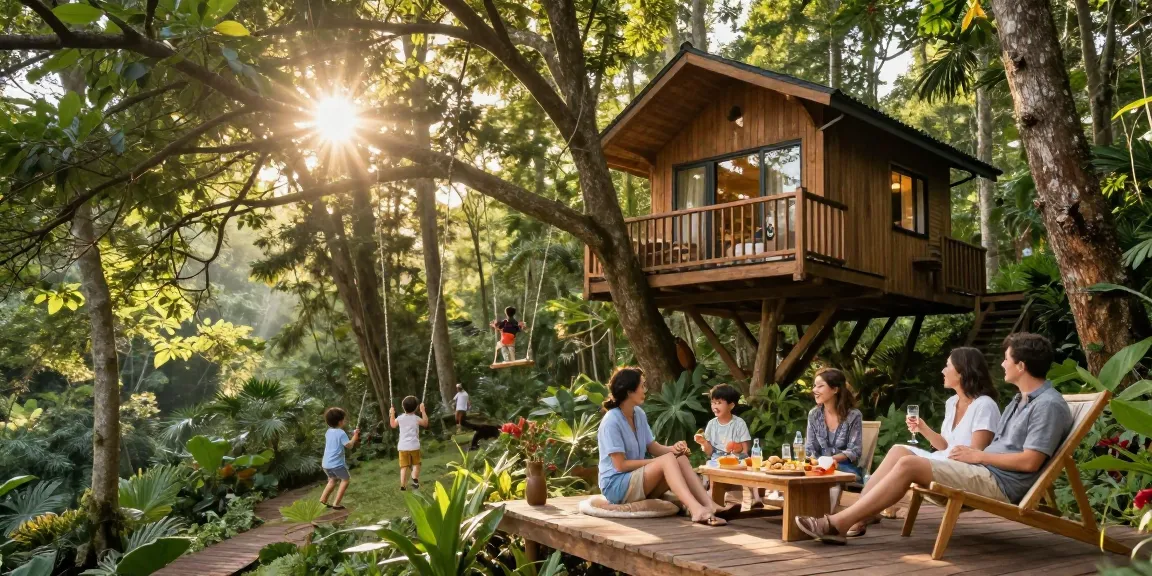
Comfort is paramount in any living space, and tree houses are no exception. Design elements such as large windows for natural light, spacious outdoor decks for relaxation, and thoughtful interior layouts significantly enhance the living experience. Incorporating insulation can also ensure a comfortable environment year-round, allowing residents to enjoy their tree house regardless of the season.
Eco-Friendly Materials and Construction Techniques
Modern tree houses can be made from a variety of sustainable materials, including reclaimed wood, bamboo, and other eco-friendly options. Using non-toxic finishes and natural insulation methods, such as sheep’s wool or recycled cellulose, can contribute to a healthier living environment. Moreover, employing construction techniques that minimise environmental impact, such as cantilevering methods to avoid damaging tree roots, can promote sustainability.
Creating a Functional Outdoor Space
An outdoor space surrounding your tree house can enhance the overall experience, providing areas for relaxation, recreation, and connection with nature. Thoughtful landscaping, outdoor amenities, and integration of natural elements can transform a simple tree house into a sanctuary.
Incorporating Nature into Your Design
Bringing nature into the design of your outdoor space can significantly enhance the serenity and beauty of your tree house life. This can involve planting native flora that attracts local wildlife, creating natural pathways with stones or mulch, and designing the landscape to harmonise with the existing ecosystem. Incorporating features such as a small pond or a wildflower garden can promote biodiversity and create a peaceful retreat.
Outdoor Amenities for the Perfect Retreat
To elevate your tree house experience, consider adding amenities like a fire pit for evening gatherings, deck seating for enjoying meals outdoors, or even an outdoor shower for a unique bathing experience. These features not only enhance comfort but also encourage outdoor living and engagement with the natural environment. Additionally, installing a hammock or a swing can provide leisurely spaces for relaxation.
Landscaping Tips to Enhance Your Tree House
Strategic landscaping can greatly enhance the visual appeal of your tree house. Utilising layers of greenery creates depth and dimension, while incorporating rocks or timber can add a rustic feel. Consider using climbing plants to beautify the tree trunks and create a more integrated appearance with the environment. Lastly, employing seasonal plants can ensure that your landscape remains vibrant year-round.
Challenges in Tree House Living
Despite the numerous benefits, tree house living comes with its set of challenges that potential residents should be aware of. Addressing safety concerns, dealing with weather and environmental factors, and understanding local regulations are all critical components of tree house living.
Addressing Safety Concerns
One of the primary concerns about tree houses is safety. Proper engineering and construction techniques are essential to ensuring stability and security. Reinforcing the structure with additional supports, using non-slip materials for ladders and decks, and incorporating safety railings can significantly mitigate risks. Regular maintenance checks should also be scheduled to ensure that the structure remains sound as it ages.
Dealing with Weather and Environmental Factors
Tree houses are inherently exposed to the elements, which can pose challenges such as exposure to high winds, rainfall, and temperature fluctuations. Designing your tree house with weather-resistant materials, proper drainage systems, and insulation will help maintain a comfortable environment throughout the year. Additionally, planning for adequate ventilation is crucial to prevent moisture build-up, which can lead to structural damage.
Understanding Local Regulations and Building Codes
Before embarking on your tree house journey, it is essential to understand local regulations and building codes. In many areas, tree houses may be classified as permanent structures, requiring specific permits and adherence to zoning laws. Engaging with local authorities and ensuring compliance can save time, money, and prevent future disputes.
The Future of Tree House Living in 2026
As we move further into 2026, the future of tree house living looks promising, with emerging trends in design, technology integration, and a growing interest in community connections and eco-conscious living. This evolution reflects the changing attitudes towards housing, sustainability, and lifestyle.
Emerging Trends in Tree House Design
Innovative designs are evolving, focusing on minimalism and functionality. Tree houses are increasingly incorporating multi-functional spaces, allowing residents to maximise their living area. Moreover, there is a growing trend towards transparent designs that blend seamlessly with the landscape, often featuring walls made of glass that offer uninterrupted views of nature.
Technology Integration for Modern Tree Houses
Modern tree houses are also embracing technology, integrating smart home systems for convenience and energy efficiency. Features such as solar panels, smart thermostats, and automated lighting systems are becoming standard. This integration not only enhances comfort but also reduces the environmental footprint of these unique living spaces.
Community Connections and Eco-Conscious Living
As tree house living becomes more popular, the formation of communities centered around these unique homes is increasing. Residents who share a passion for nature and sustainable living often collaborate on projects that benefit their local environment. This sense of community fosters connections that enhance the overall quality of life, creating support networks for those embracing the tree house lifestyle.
What Can You Expect from Tree House Living?
In conclusion, embracing the tree house life in 2026 offers not just a home, but a holistic lifestyle that prioritises nature, sustainability, and community. With thoughtful design, attention to safety, and a commitment to environmental stewardship, tree house living can provide an enriching, fulfilling experience that reconnects us with the natural world. Whether you’re seeking an adventurous retreat or a permanent residence, the possibilities are limitless in the world of tree house living.