An Overview of Lung Cancer Care
Lung cancer is a formidable adversary in the realm of oncology, affecting millions worldwide. Characterized by malignant cell growth in lung tissues, it often goes undetected until later stages, making effective care crucial. The Cleveland Clinic Abu Dhabi has established a comprehensive Lung cancer care program that integrates cutting-edge diagnosis, advanced treatment techniques, and a multidisciplinary approach. By focusing on early detection and personalized treatment plans, we aim to improve survival rates and enhance the quality of life for patients facing this disease.
What is Lung Cancer?
Lung cancer primarily manifests in two types: non-small cell lung cancer (NSCLC) and small cell lung cancer (SCLC). NSCLC is the more prevalent form, accounting for approximately 85% of lung cancer cases, while SCLC is known for its aggressive nature and rapid growth but comprises only around 15% of cases. Both types arise when the normal cellular processes of the lungs become disrupted, leading to uncontrolled cell growth.
Importance of Early Detection
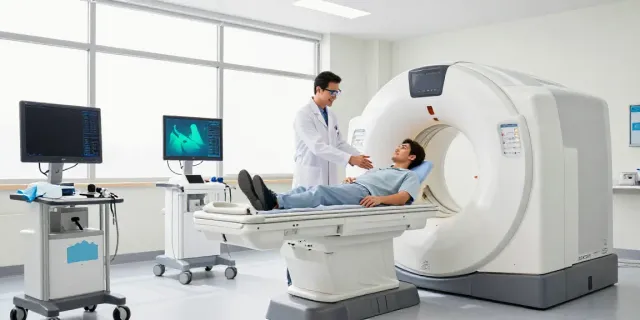
Early detection of lung cancer is critical for enhancing treatment efficacy and improving outcomes. Unfortunately, the disease often presents subtle symptoms or none at all in its initial stages. Regular screenings, particularly for high-risk individuals—such as those with a history of smoking—can lead to early diagnosis and significantly better prognoses. Innovative techniques like low-dose CT scans allow for precise identification of tumors at nascent stages.
Multidisciplinary Approach to Treatment
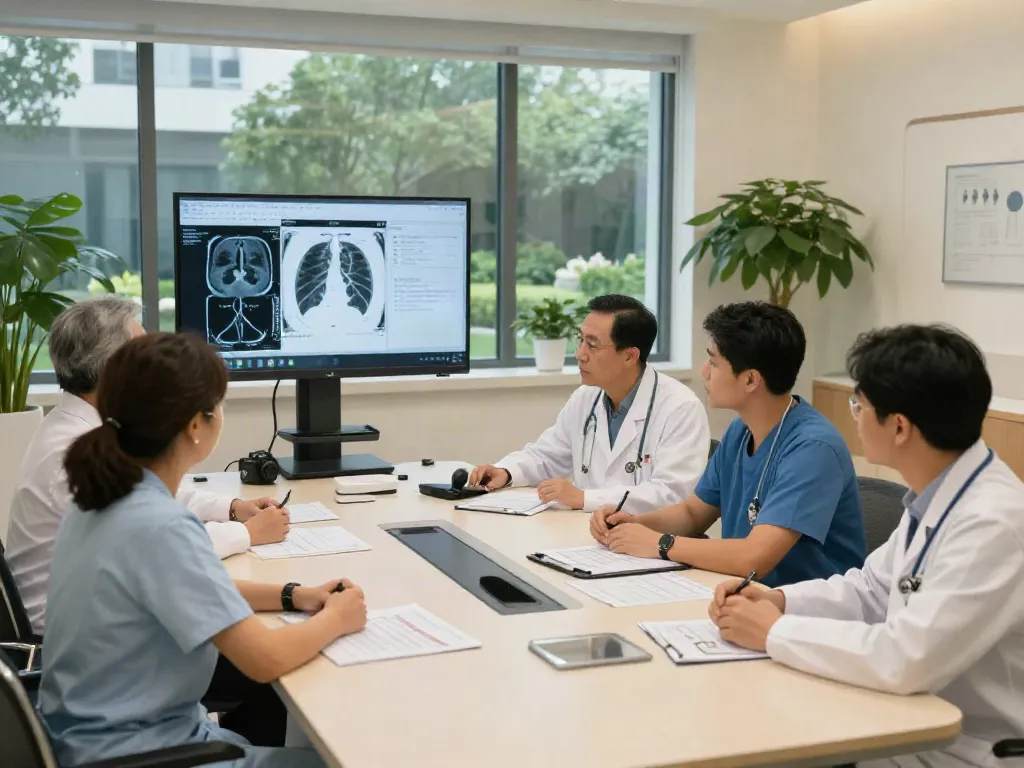
The complexity of lung cancer requires a collaborative strategy for effective treatment. At Cleveland Clinic Abu Dhabi, our multidisciplinary team includes surgical oncologists, thoracic surgeons, pulmonologists, medical oncologists, radiation oncologists, and support specialists, all working cohesively to create and implement personalized treatment plans. This integrated care model ensures that each patient receives comprehensive support tailored to their unique health circumstances.
Why Choose Cleveland Clinic Abu Dhabi for Lung Cancer Care?
Leading Specialists and Cutting-edge Technology
Our Lung Cancer Program is staffed by some of the most esteemed specialists in the field, utilizing the latest advancements in medical technology. Our diagnostic tools and treatment methodologies reflect the forefront of lung cancer research, ensuring we deliver care that meets international standards. Cleveland Clinic Abu Dhabi collaborates extensively with experts from Cleveland Clinic in the US, further enriching our treatment offerings.
Personalized Care Plans Tailored to Patients
Recognizing that each patient's journey with lung cancer is unique, we create tailored care plans that address individual needs and preferences. Our team considers various factors, including cancer type, stage, overall health, and lifestyle, to devise a strategy that maximizes treatment effectiveness while focusing on the patient's quality of life.
Collaboration with International Experts
Incorporating insights from global experts enables our team to provide state-of-the-art lung cancer care. This collaboration fosters a rich exchange of knowledge, bringing innovative treatments and clinical trials to our patients. We believe that the best outcomes arise from diverse perspectives and expertise, enhancing our ability to fight lung cancer effectively.
Understanding Lung Cancer Symptoms, Causes, and Risk Factors
Common Symptoms of Lung Cancer
Early-stage lung cancer is often asymptomatic, which can delay diagnosis. When symptoms do manifest, they may include:
- Persistent cough
- Chest pain
- Shortness of breath
- Wheezing
- Unexplained weight loss
- Fatigue
Understanding these symptoms is vital for timely intervention.
Identifying Risk Factors
Multiple factors contribute to the risk of developing lung cancer, with smoking being the most significant. Approximately 90% of lung cancer cases are linked to tobacco use. Other risk factors include:
- Exposure to secondhand smoke
- Occupational exposures (e.g., asbestos, radon)
- Family history of lung cancer
- Previous radiation therapy to the lungs
How Lifestyle Choices Impact Lung Cancer Risks
Making informed lifestyle choices can significantly reduce the risk of lung cancer. Quitting smoking, maintaining a healthy diet rich in fruits and vegetables, engaging in regular physical activity, and avoiding exposure to harmful substances are critical in lung cancer prevention.
Diagnosis and Screening Methods for Lung Cancer
Importance of Low-Dose CT Screening
For individuals at high risk of lung cancer, the implementation of routine low-dose computed tomography (LDCT) screenings is crucial. These screenings are fast, non-invasive, and provide detailed imaging that can detect tumors at earlier stages when they are most treatable.
Diagnostic Tests for Accurate Assessment
Upon suspicion of lung cancer, several diagnostic tests may be utilized, including:
- Imaging tests (X-rays, CT scans)
- Biopsies (obtaining tissue samples for analysis)
- Bronchoscopy (visual examination of the airways)
The results from these tests guide the medical team in determining the presence and extent of cancer.
Staging and Its Role in Treatment Decisions
Staging lung cancer is essential for determining the most effective treatment options. The four stages of lung cancer—from localized to metastatic—inform the treatment strategy and anticipated outcomes. Regular assessments ensure that treatment plans remain flexible and responsive to the evolving nature of the disease.
Treatment Options and Innovations in Lung Cancer Care
Overview of Surgical Treatments
Surgery is often a primary treatment avenue for lung cancer. Techniques may include:
- Wedge resection (removal of a small section of the lung)
- Lobectomy (removal of an entire lobe of the lung)
- Pneumonectomy (removal of an entire lung)
Minimally invasive surgical options, such as video-assisted thoracoscopic surgery (VATS), offer patients quicker recovery and reduced postoperative pain.
Emerging Therapies and Clinical Trials
Alongside traditional treatments, emerging therapies such as targeted therapy and immunotherapy are gaining prominence. These treatment modalities focus on specific characteristics of cancer cells, enhancing efficacy and minimizing side effects. Participation in clinical trials may also provide patients access to groundbreaking treatments that are not yet widely available.
Supportive Care Services for Patients and Families
Our approach to lung cancer care encompasses more than just treating the disease; we also prioritize emotional and logistical support for patients and their families. This includes:
- Palliative care services to manage symptoms
- Nutritional counseling to support health
- Patient education programs to inform about treatment options
- Family counseling services for emotional support
These supportive services ensure a holistic approach to care, helping to alleviate the burdens that often accompany a lung cancer diagnosis.
What are the Long-term Goals of Lung Cancer Treatment?
The long-term goals of lung cancer treatment focus not only on the eradication of the disease but also on preserving the quality of life. This includes managing symptoms effectively, maintaining functional abilities, and fostering emotional well-being. Regular follow-up appointments and supportive resources play crucial roles in achieving these objectives.
Can Lung Cancer Be Cured?
The potential for curing lung cancer largely depends on several factors, including the type of cancer, stage at diagnosis, and overall health of the patient. Early detection and innovative treatment options have improved cure rates, particularly for localized tumors.
How is the Quality of Life Maintained During Treatment?
Maintaining quality of life during lung cancer treatment is paramount. This involves:
- Active management of side effects
- Incorporating lifestyle changes that promote well-being
- Accessing support services for physical and emotional health
Our multidisciplinary team is dedicated to ensuring that patients can navigate their treatment journeys with dignity and support.