Understanding Dental Implants: What You Need to Know
In the world of restorative dentistry, Dental implants OC represent a revolutionary solution for individuals seeking to reclaim their smiles and oral functionality. Unlike traditional dentures or bridges, dental implants offer a permanent solution that mimics the structure and feel of natural teeth. They are designed to provide stability and improve the quality of life for patients who have lost teeth due to injury, periodontal disease, or other dental issues. This guide will provide you with vital insights into dental implants, their benefits, misconceptions, and what you need to assess your candidacy.
What are Dental Implants OC?
Dental implants are titanium posts that are surgically placed into the jawbone, serving as artificial roots for replacement teeth. Over time, the bone fuses with the titanium through a process known as osseointegration, providing a sturdy foundation for crowns, bridges, or dentures. The durability of dental implants makes them a highly sought-after option in restorative dentistry, especially in Orange County, where aesthetics and functionality are prioritized.
Benefits of Choosing Dental Implants
- Improved Appearance: Dental implants look and feel like natural teeth, enhancing your smile and overall appearance.
- Enhanced Comfort: Unlike dentures, implants become a part of you, eliminating the discomfort associated with removable appliances.
- Better Oral Health: Implants do not require the alteration of adjacent teeth, preserving natural tooth structure.
- Increased Confidence: With a complete smile, individuals often feel more confident in social interactions.
- Long-Term Solution: With proper care, dental implants can last a lifetime, making them a cost-effective solution over time.
Common Misconceptions about Dental Implants
Despite their growing popularity, several misconceptions about dental implants persist. One common belief is that the procedure is extraordinarily painful. However, local anesthesia is used during surgery, and many patients report minimal discomfort post-operation. Another misconception is that dental implants are only for older adults. In reality, they can be an option for anyone over the age of 18 who is in good health.
Assessing Your Candidacy for Dental Implants OC
Who is a Good Candidate for Dental Implants?
Good candidates for dental implants include individuals who have lost one or more teeth and have sufficient jawbone density to support the implants. Patients should also be in good oral health, without active gum disease, as periodontal issues can hinder the success of the implants. Smokers or those with chronic conditions such as diabetes may require further evaluation to determine their candidacy.
Factors Affecting Eligibility for Dental Implants
Several factors can affect a person's eligibility for dental implants, including:
- Bone Density: Adequate bone density is crucial for successful implant placement.
- Overall Health: Conditions such as uncontrolled diabetes or autoimmune disorders may impact healing.
- Age: While younger patients may have exuberant bone growth, age alone is not a disqualifier.
- Smoking: Tobacco use can impair healing and reduce implant success.
How to Prepare for a Dental Implant Consultation
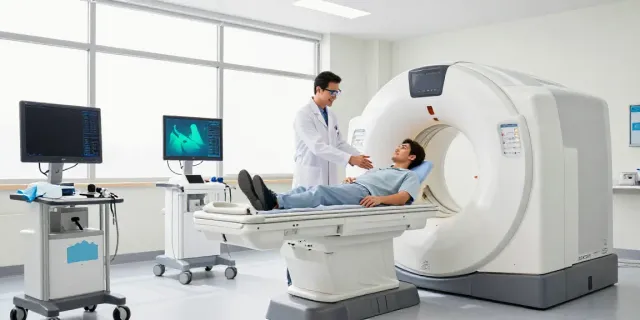
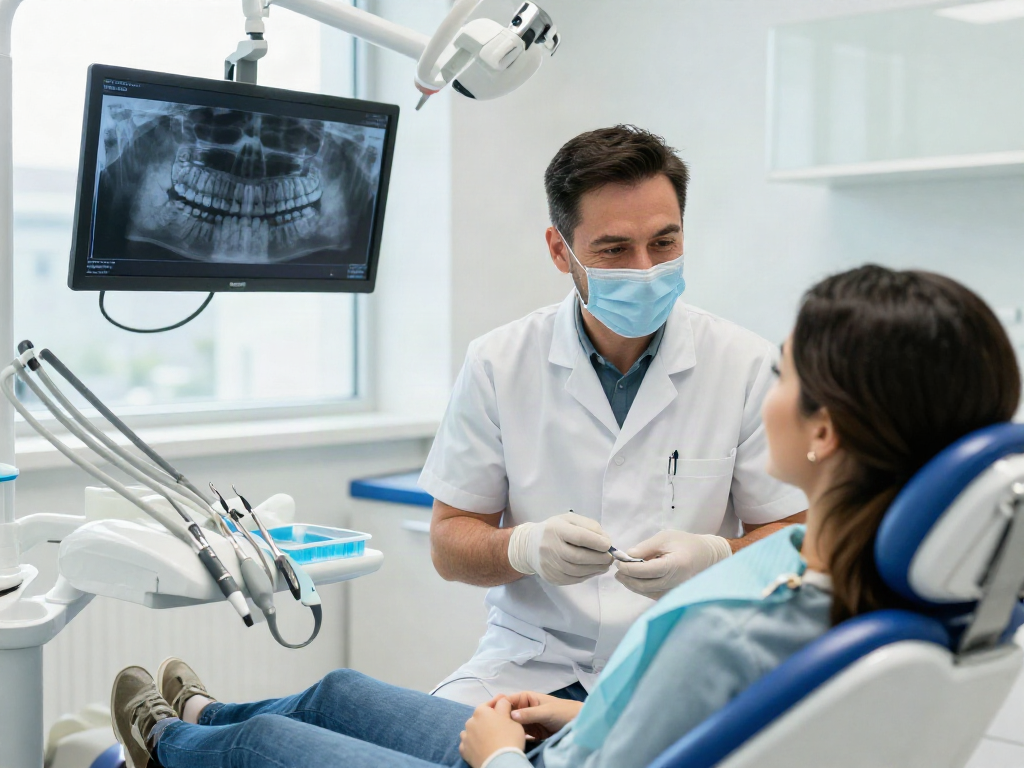
Preparing for your consultation involves a few strategic steps. First, gather your dental and medical history, including any previous dental work and current medications. Next, consider any questions or concerns you may have regarding the procedure and its aftermath. Finally, be prepared for a comprehensive examination, which may include X-rays or 3D imaging to evaluate your jawbone.
The Dental Implant Procedure: Step-by-Step
Initial Consultation and Planning
The journey to dental implants begins with an initial consultation. Your dentist will perform a thorough oral examination and review your medical history. They may use imaging technology to determine the best approach for your treatment plan. This stage is crucial for setting realistic expectations regarding the procedure, recovery, and outcome.
The Surgical Procedure Explained
The surgical procedure for dental implants takes place in phases. Initially, the titanium post is surgically implanted into the jawbone. After the placement, a healing period is required, allowing the bone to fuse with the implant. Once osseointegration is complete, a crown or prosthetic tooth is attached, restoring full functionality and aesthetics.
Post-Operative Care and Recovery
Post-operative care is critical to the success of your dental implants. Expect some swelling and discomfort, which can typically be managed with prescribed medication. Adhering to your dentist’s aftercare instructions will promote healing. Regular check-ups will help ensure the implants remain stable and healthy over time.
Cost Considerations for Dental Implants OC
Understanding the Average Costs of Dental Implants
The cost of dental implants can vary widely based on several factors, including the number of implants needed, the complexity of the case, and the experience of the dental professional. On average, a single implant can range from $3,000 to $4,500, while the total treatment cost may include additional procedures like bone grafting.
Insurance Coverage and Payment Options
Most dental insurance plans do not cover the entire cost of dental implants, but they may contribute to portions of the procedure. It is advisable to check your insurance policy for specifics. Many dental practices also offer financing options or payment plans to help manage costs.
How to Find Affordable Dental Implant Solutions
Finding affordable dental implant options can involve researching local dental providers, asking about discounts for cash payments, or exploring dental schools where students perform procedures under supervision. Careful comparison of different practices can also help you find competitive pricing.
Future Trends in Dental Implants: What to Expect by 2026
Emerging Technologies in Dental Implantology
As technology advances, the future of dental implants looks promising. Innovations like 3D printing are revolutionizing the way implants are created, allowing for more personalized solutions. Additionally, guided implant surgery is becoming more prevalent, resulting in improved precision during placement.
Predicted Innovations in Implant Materials and Techniques
The use of biocompatible materials is on the rise, which may reduce the risk of rejection and improve healing times. New techniques, such as immediate implant placement, allow for the quicker restoration of function and aesthetics, minimizing the overall treatment period.
The Role of Telehealth in Dental Implant Consultations
Telehealth is set to play a significant role in dental consultations by 2026. Remote consultations can offer patients the opportunity to discuss their options and pre-surgical evaluations from the comfort of their homes. This technology can enhance accessibility, particularly for those with mobility challenges.
What are the risks associated with dental implants?
While dental implants are considered safe, they do carry some risks, including infection, implant failure, and potential damage to surrounding teeth or blood vessels. However, these risks are minimized through careful planning and execution by trained professionals.
How long do dental implants last?
Dental implants are designed to be a long-term solution, with many lasting a lifetime when properly cared for. Regular oral hygiene and routine dental visits play a critical role in their longevity.
Can anyone get dental implants?
Most adults in good health are candidates for dental implants. However, individuals with specific health conditions or inadequate bone structure may require additional treatments to become eligible.
What is the recovery timeline for dental implants?
The recovery timeline can vary depending on the individual and the complexity of the procedure. Initially, patients may require a few days of rest, followed by several weeks for the implant to integrate with the jawbone. Full recovery may take a few months, particularly if bone grafting is necessary.
Are there alternatives to dental implants?
Yes, there are several alternatives to dental implants, such as dentures or dental bridges. While these options can restore functionality, they may not provide the same permanence or natural appearance as implants.