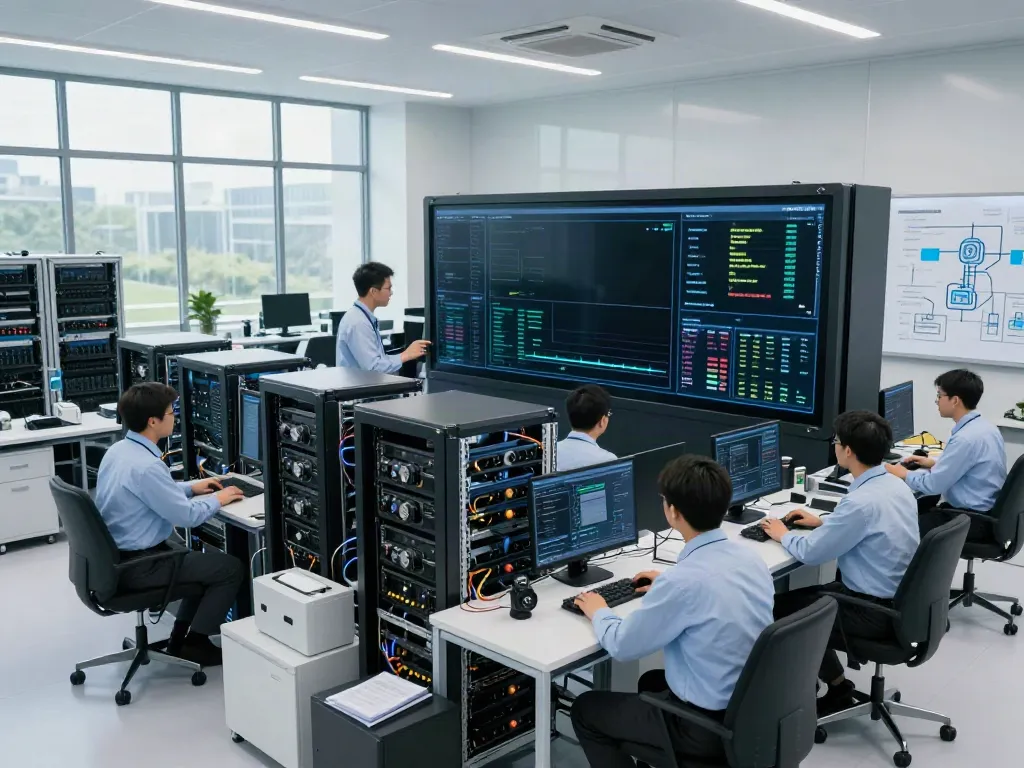
Understanding the AI Data Center Ecosystem
In today's technological landscape, the rise of artificial intelligence (AI) has led to an urgent demand for specialized infrastructures known as AI data center. These facilities are critical for managing the extensive computational needs of AI applications, ranging from deep learning models to complex data analysis. As industries increasingly adapt to AI capabilities, understanding the intricate ecosystem of AI data centers is essential for stakeholders, including businesses, developers, and investors.
Defining AI Data Centers: Functions and Importance
AI data centers serve a unique purpose distinct from traditional data centers. While traditional centers typically focus on handling a variety of IT operations, AI data centers are specifically designed to accommodate high-performance computing tasks. This includes training and running machine learning models that require substantial graphical processing unit (GPU) capabilities. Such specialization ensures that AI data centers optimize computational efficiency, which is crucial for real-time processing and analysis.
The Role of Power in AI Data Centers
Power management is a cornerstone of AI data center operations. The functionality of AI systems is heavily reliant on consistent and robust power supply to support the high-energy demands of GPUs. These systems not only process vast amounts of data but also require cooling systems that add to the power consumption. Therefore, an effective power infrastructure is vital to maintaining uninterrupted operations and ensuring peak performance.
Key Components of AI Data Center Infrastructure
- GPU Servers: High-density servers equipped with multiple GPUs for efficient processing.
- Storage Solutions: Scalable storage systems capable of handling large datasets necessary for training AI models.
- Networking Equipment: Advanced networking to facilitate high-speed data transfer.
- Cooling Systems: Essential for managing the heat generated by powerful computing operations.
- Power Management Systems: Technologies to optimize energy consumption and maintain supply reliability.
Challenges in Building AI Data Centers
Common Misconceptions About AI Infrastructure
One prevalent misconception is that all data centers can seamlessly transition to AI-centric operations. However, the unique requirements of AI, particularly regarding computational power and real-time processing capabilities, necessitate significant infrastructure modifications. Merely adding AI software to existing systems is insufficient; comprehensive upgrades and specialized hardware are essential to support advanced AI functionalities.
Environmental Impact and Sustainability Issues
The environmental impact of AI data centers is a growing concern. High energy usage often leads to increased carbon footprints, particularly in areas reliant on fossil fuels for electricity. To address sustainability challenges, many operators are investing in renewable energy sources and implementing energy-efficient practices. This commitment to sustainability is becoming a key competitive advantage in the market.
Addressing Power Reliability Challenges
Reliability of power supply is crucial for the seamless operation of AI data centers. Outages can lead to significant performance setbacks, data loss, and increased operational costs. Therefore, incorporating backup power solutions and diversifying energy sources can mitigate these risks, ensuring a stable operational environment.
Best Practices for Optimizing AI Data Centers
Power Management and Efficiency Strategies
Effective power management strategies are vital for optimizing AI data center performance. Implementing smart grid technologies can enhance energy efficiency and reduce costs. Additionally, the use of AI-driven analytics can help operators monitor power consumption patterns, allowing for informed adjustments that minimize waste and maximize operational efficacy.
Scalable Architectures for Growing Demands
As AI applications continue to evolve, so too will the needs of data centers. Scalability should be a fundamental consideration during the design phase, enabling facilities to expand and adapt to increasing data loads and computational requirements without significant downtime or infrastructure overhauls.
Monitoring and Measuring Performance Metrics
To ensure that AI data centers operate at peak efficiency, regular monitoring and performance assessment are essential. Metrics such as energy consumption per workload, processing speed, and system uptime provide valuable insights into operational health and can inform strategic improvements.
Future Trends in AI Data Centers
Emerging Technologies and Innovations
Innovation is paramount in the AI data center sector. Emerging technologies, such as quantum computing and edge AI, are set to transform infrastructure capabilities. These advancements promise to enhance processing speeds and reduce latency, paving the way for even more sophisticated AI applications.
Predictions for AI Infrastructure Development
The future of AI data centers is promising yet complex. As businesses increasingly rely on AI solutions, the demand for robust and efficient infrastructure will grow. It is anticipated that data centers will increasingly adopt hybrid models, integrating cloud-based solutions with on-premises systems to leverage the benefits of both environments.
Regulatory Developments Impacting AI Data Centers
Regulations governing data privacy, energy consumption, and environmental impact are likely to evolve as AI integration becomes more widespread. Data center operators must remain vigilant regarding compliance to avoid penalties and maintain operational integrity amidst changing legal landscapes.
Frequently Asked Questions About AI Data Centers
What is the AI data center?
An AI data center is a specialized facility designed to support the computational needs of AI tasks, focusing predominantly on high-performance computing, advanced storage solutions, and efficient power management.
How do AI data centers differ from traditional data centers?
While traditional data centers generally support a wide range of IT applications, AI data centers are tailored specifically for AI processing needs, featuring advanced hardware and stringent power requirements to accommodate complex workloads.
What is the future of AI data centers and energy use?
The future of AI data centers will likely see a greater focus on sustainability, with increased adoption of renewable energy sources and enhancements in energy efficiency technologies to balance performance and environmental responsibility.
What are the main challenges in AI data center management?
Key challenges include managing energy consumption, ensuring power reliability, staying compliant with evolving regulations, and addressing the high costs associated with specialized infrastructure.
Who are the key players in the AI data center market?
The AI data center market includes a mix of technology giants, cloud service providers, and specialized infrastructure companies committed to providing the hardware and software needed to support AI operations effectively.