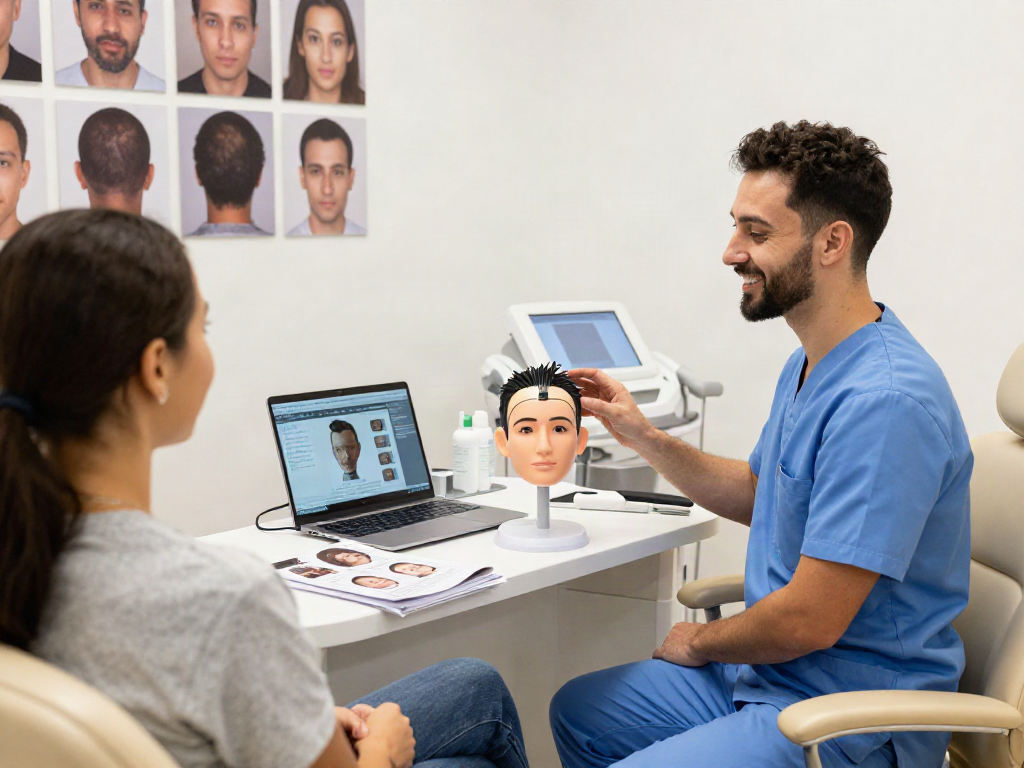
Understanding Hair Transplant Procedures in Turkey
For many individuals facing hair loss, a hair transplant can be a life-changing procedure that restores not just hair, but also confidence. Turkey has emerged as a global leader in hair restoration, attracting patients from around the world. However, understanding the intricacies of the procedure, including its types, benefits, and common pitfalls, is crucial for anyone considering this option. When exploring options, hair transplant turkey provides comprehensive insights into the available services and success rates associated with these treatments.
What is a Hair Transplant?
A hair transplant is a surgical procedure that involves moving hair follicles from a donor site (typically the back of the scalp) to a balding or thinning area of the scalp. This permanent solution offers a natural-looking result and helps individuals regain their hairline. The two main methods for hair transplantation are Follicular Unit Transplantation (FUT) and Follicular Unit Extraction (FUE).
Different Types of Hair Transplant Techniques
Understanding the different techniques available for hair transplants can help you make an informed decision. Here are the two most common methods:
- Follicular Unit Transplantation (FUT): This method, also known as the strip method, involves removing a strip of scalp skin from the donor area, which is then dissected into individual follicular units for transplantation. This method is known for its efficiency in harvesting a large number of grafts.
- Follicular Unit Extraction (FUE): In this minimally invasive technique, individual follicles are extracted directly from the donor area using a small punch tool. FUE leaves no linear scar, which makes it a popular choice for many patients who prefer shorter hairstyles.
Why Choose Turkey for Hair Transplants?
Turkey has become a hotspot for hair transplant surgeries due to several compelling reasons:
- Cost-Effectiveness: The costs associated with hair transplants in Turkey are significantly lower than in many Western countries, without compromising on quality.
- High Expertise: Turkey boasts numerous clinics with highly qualified surgeons and medical staff trained in the latest techniques.
- Advanced Technology: Many Turkish clinics invest in cutting-edge technology for hair restoration, ensuring patients receive the best possible care.
- All-Inclusive Packages: Many facilities offer packages that cover surgery, accommodation, and transportation, making planning easier for international patients.
Common Hair Transplant Mistakes to Avoid
Despite its success rates, there are common mistakes that potential patients often make. Here is how to avoid them:
Overlooking Pre-Consultation Research
Research is key to a successful hair transplant. Failing to understand the procedure, the clinic’s reputation, and the surgeon's experience may lead to unsatisfactory results. Spend time reading up on reviews and testimonials, and don't hesitate to ask for before-and-after photos from previous patients.
Ignoring Post-Operative Care Instructions
After your hair transplant, following post-operative care instructions is crucial to ensure the best possible results. Many patients neglect to follow guidelines regarding washing, sun exposure, and physical activity, which can impact healing and hair growth.
Not Considering Long-Term Results
It's important to view hair transplantation as a long-term investment. Understanding the timeline for hair growth post-surgery, which can take several months, and planning for potential future treatments, especially if you are prone to hair loss, is necessary to set realistic expectations.
Choosing the Right Clinic for Your Hair Transplant
Choosing a clinic is one of the most critical steps in the hair transplant process. Here's how to ensure you make the right choice:
Evaluating Clinic Credentials and Certifications
Check for international accreditations and certifications. A reputable clinic should proudly display their credentials and demonstrate compliance with international healthcare standards.
Reading Patient Reviews and Testimonials
Take the time to read patient experiences on various platforms. Genuine feedback from past clients provides valuable insights into what you can expect and helps identify any red flags.
Understanding the Cost vs. Quality Equation
While affordability is appealing, remember that the cheapest option might not always be the best. Assess the quality of care, additional services, and the surgeon's expertise before making a decision solely based on price.
Preparing for Your Hair Transplant Journey
Preparing for your hair transplant involves several steps to ensure everything goes smoothly:
Essential Questions to Ask Your Surgeon
Before committing to a procedure, have a thorough discussion with your surgeon. Ask about the techniques they use, the expected outcomes, recovery time, and how they handle complications or unsatisfactory results.
What to Expect on the Day of Surgery
On the day of your surgery, arrive prepared. You will undergo pre-surgery consultations and may be required to sign consent forms. Understanding what to expect can ease anxiety and help you stay focused on the process.
Post-Operative Care: Tips for Faster Recovery
After your surgery, follow your surgeon’s instructions meticulously. Rest, hydrate, and avoid strenuous activities for the first few days. Consider taking it easy on your scalp – no scratching or aggressive washing!
Future Trends in Hair Transplantation
The field of hair transplantation is always evolving. Here are some expected trends:
Technological Advances in Hair Restoration
Innovations such as robotic-assisted hair transplant procedures and improved extraction techniques are expected to become more common, offering precision and efficiency that enhances patient outcomes.
The Rise of Natural-Looking Hair Transplants
More patients are seeking results that blend seamlessly with their natural hairlines. Advances in techniques are enabling surgeons to create more realistic results that better match the client’s existing hair.
What to Expect in Hair Restoration by 2026
By 2026, we can anticipate even more personalized treatment plans driven by genetics and individual scalp analysis. Enhanced 3D imaging and simulation tools will likely help patients visualize their potential results before committing.
What are the costs associated with a hair transplant in Turkey?
The costs can vary widely depending on the clinic, technique used, and the number of grafts required. On average, you can expect to pay between $1,500 to $3,000 for a hair transplant in Turkey, which includes consultations, surgery, and often accommodation.
How long does the hair transplant recovery process take?
Recovery from a hair transplant typically takes about 7 to 10 days, during which patients should avoid strenuous activities. However, full hair growth can take up to a year.
Are there any risks involved in hair transplant surgeries?
As with any surgery, hair transplants come with risks, including infection, scarring, and unnatural-looking hair growth. It’s vital to choose a qualified surgeon to minimize these risks.
What results should I expect from a hair transplant?
Patients can expect to see initial hair shedding in the first few weeks post-surgery, followed by gradual regrowth. Typically, noticeable results become apparent within three to six months.
How can I ensure the best results from my hair transplant?
To maximize the success of your hair transplant, choose a reputable clinic, follow pre- and post-operative instructions carefully, and maintain regular follow-up appointments with your surgeon.